Fleet Management’s World Maritime Day themed seminars helped emphasise our commitment to safety, wellbeing, and operational excellence, through our operational ethos – the 6Ks.
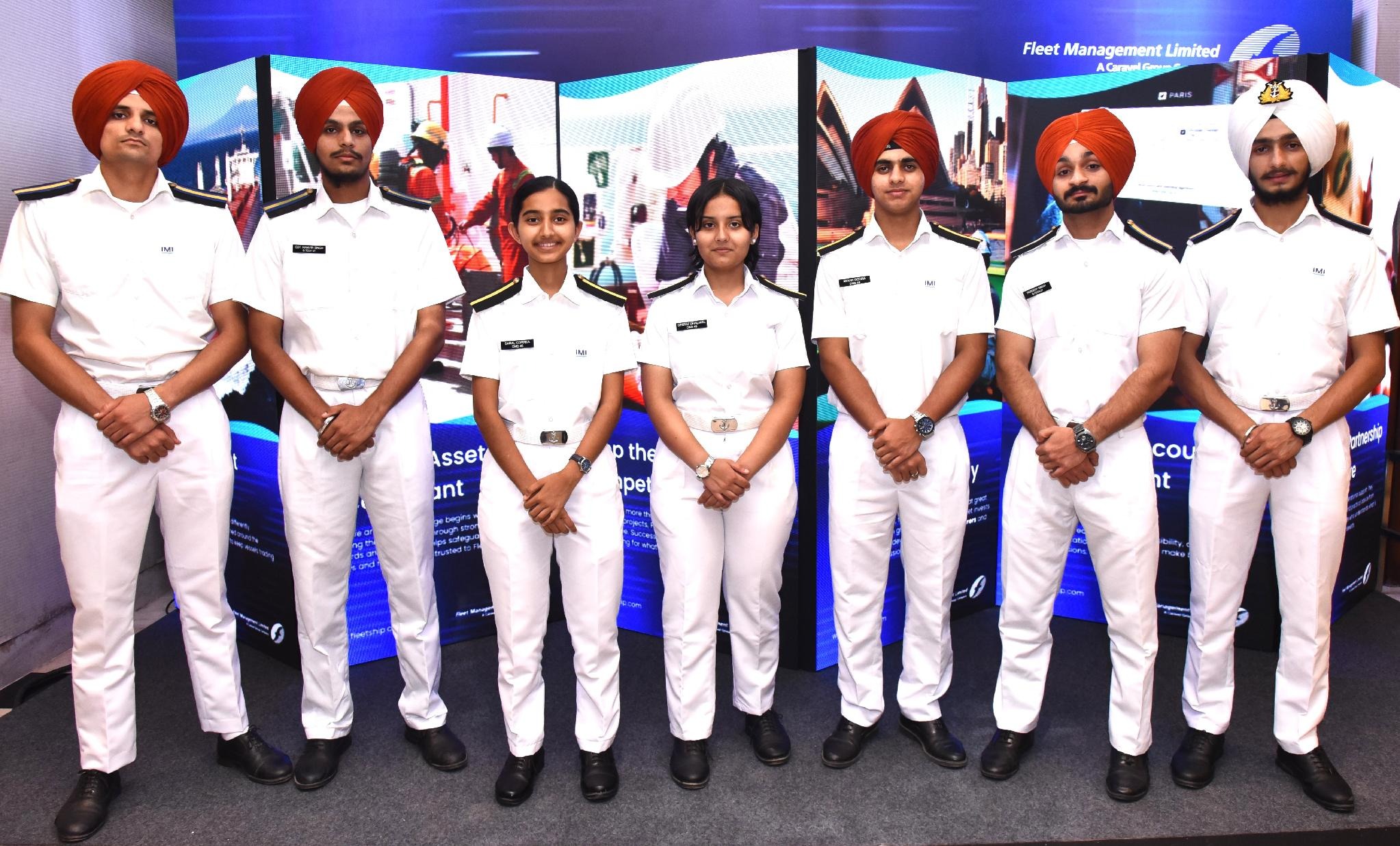
The International Maritime Organisation’s (IMO) World Maritime Day theme emphasised the necessity to convert Policy to Practice through training and reinforcement to ensure a cleaner, safer, more efficient maritime industry.
The frontline in ensuring the IMO’s goals translate into results are ultimately our seafarers, who manage the vessels carrying over 80% of global trade by volume.
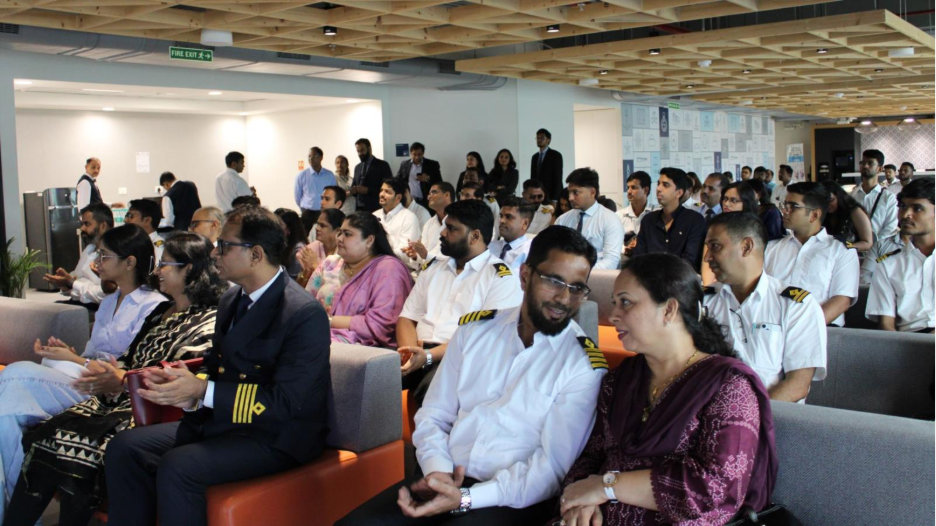
This is the core reason why Fleet Management organised three Officers Seminars across the Northern Indian cities of Jaipur, Gurgaon, and Chandigarh.
The theme of the seminars reflected our organisational North Star – Customer Centricity – and the 6Ks that we implement to guide our work. All topics centred around how to successfully convert Policy to Practice.
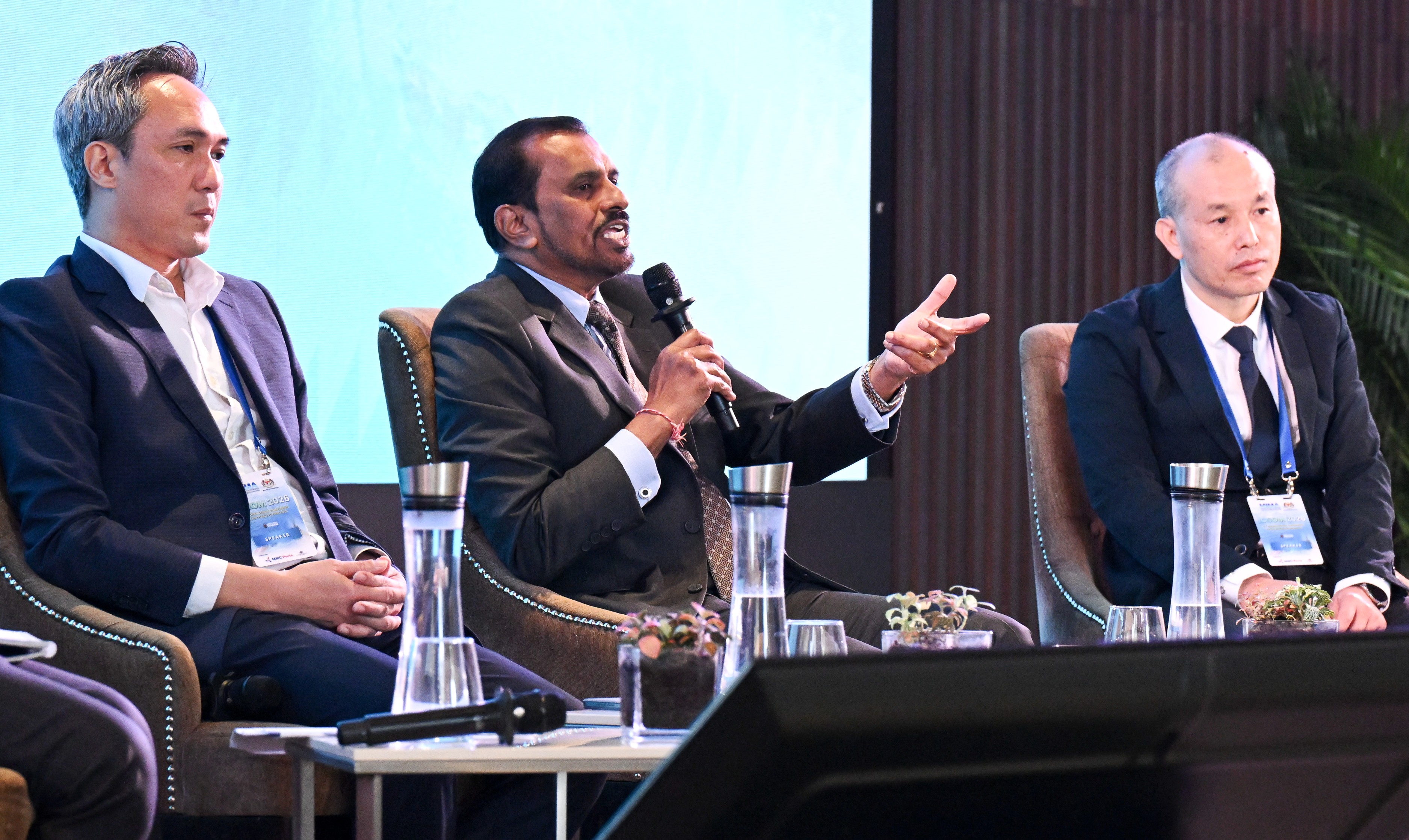
Attended by over 200 Officers across the cities, all seminars also included long service awards and a focus on our operational principles of 6Ks.
Guided by a founding promise to care for every shipowner's asset as if it were its own, Fleet is organised around the outcomes shipowners value most. Our approach is shaped by six commitments: keep the asset trading; keep it safe and compliant; keep it competitive; keep seafarers and employees stable, capable and committed; keep account management transparent; and keep the partnership consultative.
Healthy expectations
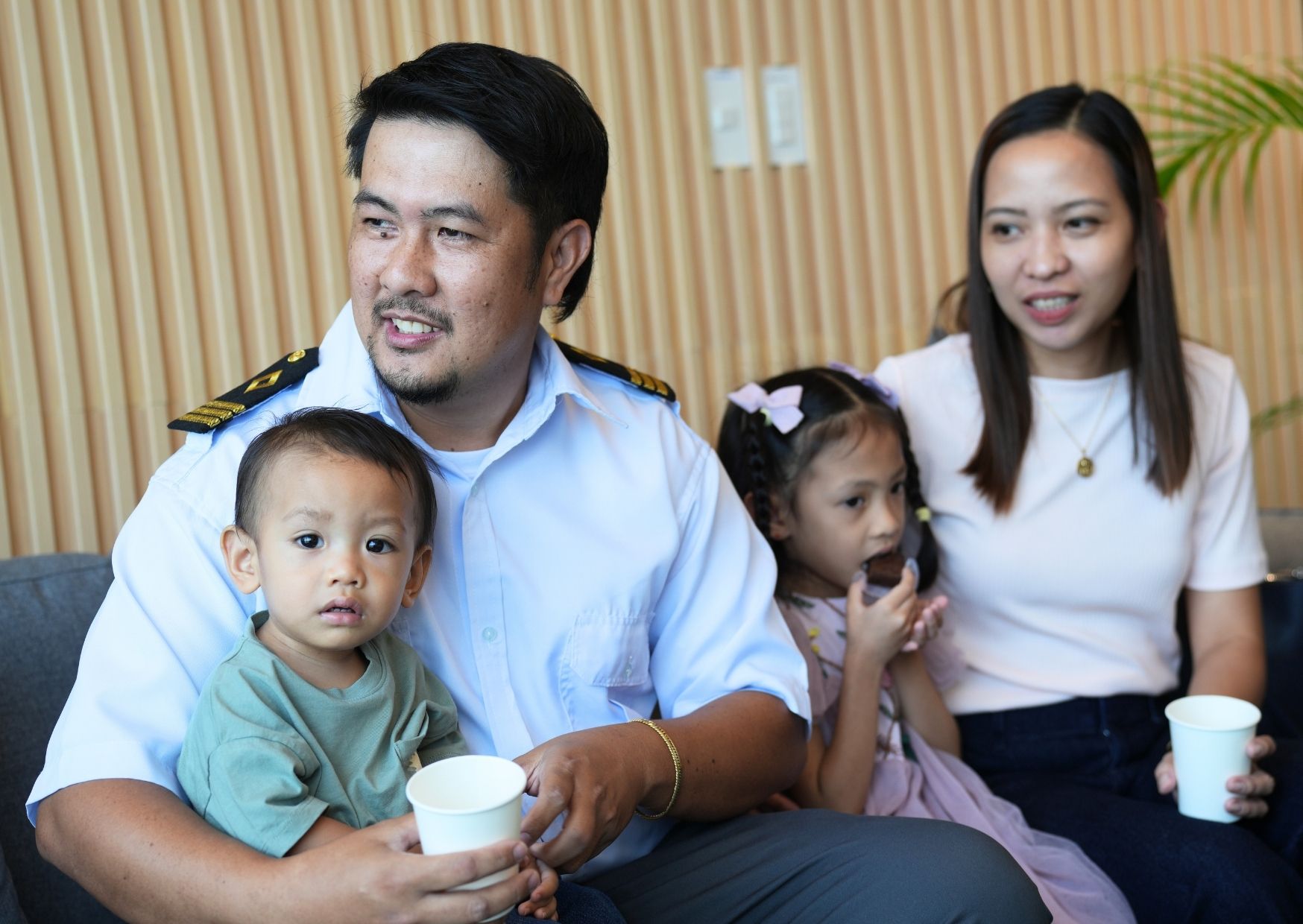
According to a 2025 study on seafarer physical health, over 50% of the seafarers classified overweight basis Body Mass Index (BMI) scores were Officers. But BMI checks are just the tip of the iceberg. It is the associated lifestyle diseases for seafarers that result in emergencies across vessels, across the world. This results in lost operational time of the vessel, safety hazards, anxious families, and afflicted seafarers.
Pre Employment Medical Examinations (PEMEs) are designed to assist seafarers with voluntary declarations ahead of their joining. This ensures the team onboard, medical consultants, our Fleet Care and the Fleet Personnel Department (FPD) teams work rapidly together in case of emergencies or deteriorating conditions to best assist the affected seafarer.
Capt. Randhir Mahadik, Head of Fleet Care, Priyanka Singh, Pooja Rajpoot and respective FPD team members homed in on the criticality of these examinations across all three seminars and urged seafarers to be explicit and honest in their disclosures.
In Chandigarh, we went one step further - a special session from a Director General of Maritime Administration (DGMA) approved Doctor, Sachin Verma, focused all things health – from the need of appropriate rest hours onboard to following a regulated diet and practices that improve health onboard such as regular exercise and extra-curricular activities.
Seafarer engagement throughout the session was positive. Key concerns and opportunities were identified and documented, providing clear areas for action across the organisation to support the health, wellbeing and overall happiness of our seafarers.
Performance to beat expectations
Performance is not defined by internal metrics alone. It is measured through the eyes of the customer. During a session led by Fleet’s Technical Leader, Mr Anand Vijay, officers were encouraged to look beyond compliance and focus on what matters most to shipowners: reliability, transparency, accountability and proactive communication. The discussion reinforced the importance of understanding customer expectations and delivering consistent performance that builds trust and confidence.
In contrast, early escalation, transparent communication and strong ownership often enhance customer confidence. The session reinforced an important reality that customers may accept operational challenges, but they do not accept surprises. Every report, action and decision onboard shapes how customers perceive Fleet Management's performance, professionalism and commitment to their assets.
A mindset to excel
Wellbeing plays a critical role in safe and effective vessel operations. Led by Clinical Psychologist Divya Nair and Simran Chahal, this session explored the impact of stress, burnout, mental health challenges and interpersonal dynamics onboard.
Through practical examples and open discussions, seafarers shared experiences and explored ways to build resilience, show empathy and support colleagues during challenging situations. The session highlighted the importance of early intervention and reinforced that seeking help is a sign of strength.
Gold standard safety operations
Safety is built through the decisions seafarers make every day, particularly when conditions become challenging. Led by Capt. Namit Kumar, this session examined how shortcuts, normalised risk, complacency and inadequate supervision continue to be common factors in maritime incidents.
The discussion highlighted the importance of Stop Work Authority, effective toolbox meetings, near-miss reporting and visible leadership onboard. Officers were encouraged to foster an environment where concerns can be raised openly and acted upon without hesitation.
The session reinforced a clear message: safety must always take priority over schedules, commercial pressures and convenience. A strong safety culture is built through consistent behaviours, personal accountability and the courage to do the right thing, every time.
Responsible operations
Safe and compliant operations rely on vigilance, personal ownership and doing the right thing. Through real-world detention cases, MARPOL violations and environmental compliance scenarios, participants examined how seemingly small decisions can lead to significant operational, financial and reputational consequences.
Interactive discussions encouraged Officers to reflect on lessons learned, share practical experiences and challenge assumptions. The session reinforced the importance of procedural compliance, professional judgement and environmental stewardship, emphasising that every action onboard plays a role in protecting people, the environment and our customers’ assets.
Leadership vision: pride, professionalism and ownership
The seminar concluded with an interactive leadership session led by Capt. Sathya Mandravana, Product Director, QHSE.
Encouraging officers to reflect on the culture they help shape every day, Capt. Sathya reinforced safety and quality are not the responsibility of a single department, but commitments shared by everyone onboard. The discussion focused on purpose, pride and professionalism, while exploring the gap between expectations and operational realities.
Officers examined how effective leadership can bridge that gap through clear communication, personal accountability, genuine care for people and consistent follow-through. The session concluded with a reminder that strong shipboard cultures are built through everyday actions, setting the standard for safe operations, trusted performance and continuous improvement.
Lessons and the way forward
The seminars reinforced a clear message: trust is earned through ownership, safety is strengthened through disciplined action, and leadership is demonstrated through everyday decisions. By speaking up, supporting one another and acting with professionalism and integrity, officers help create safer ships, stronger teams and more reliable operations.
Every action onboard contributes to the standards we uphold, the confidence we inspire and the trust our customers place in us to care for their assets as if they were our own.

.jpeg)
.jpeg)
.png)
.jpeg)

.jpeg)
.jpeg)
.png)
.jpeg)
.jpeg)
.jpg)
%20(1).jpeg)

.jpeg)
.jpeg)

.jpeg)



.png)



-min.png)





.svg)