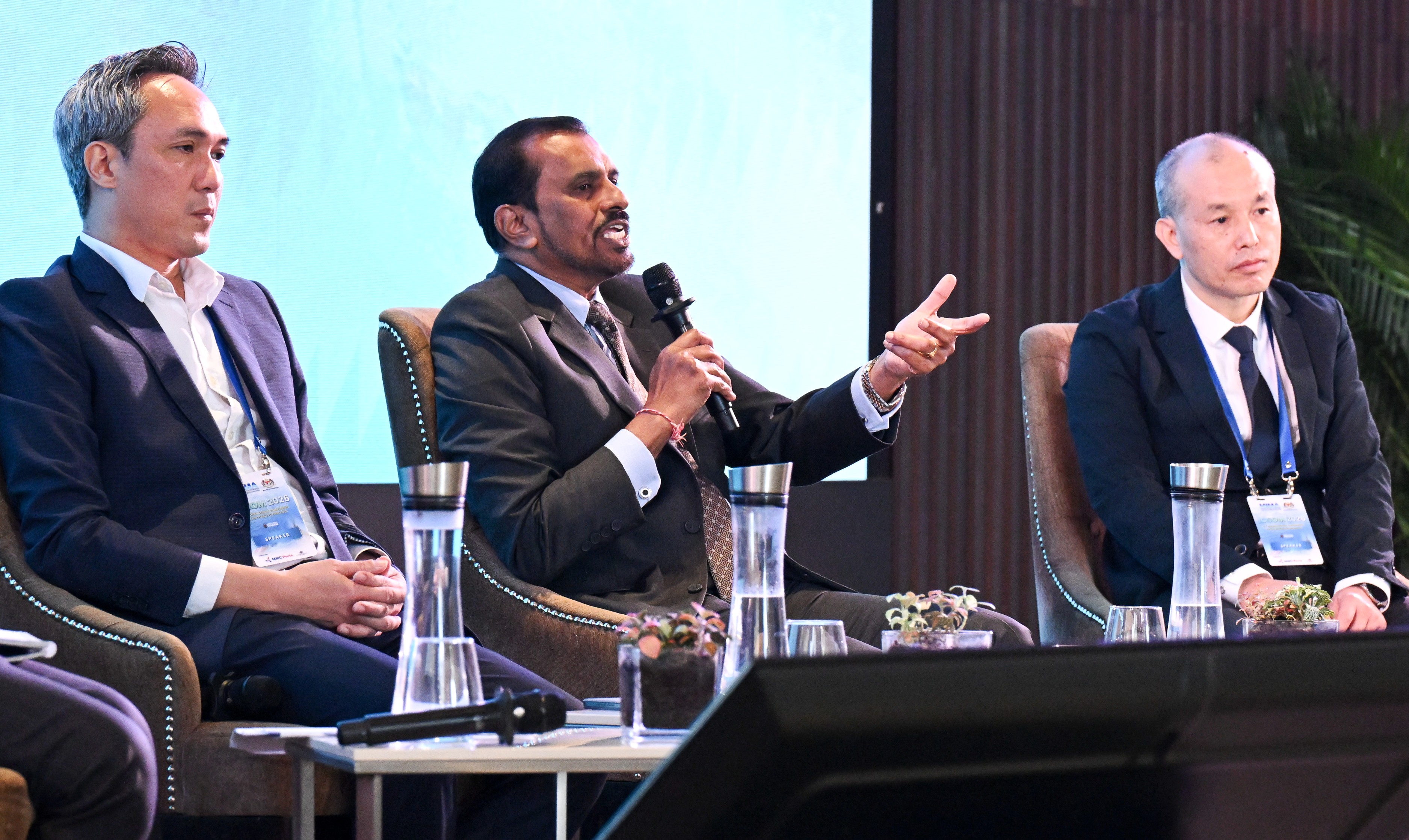
At the INTERCARGO Semi-Annual Meeting in Singapore, dry bulk shipowners, operators and industry partners came together to discuss a shared challenge: how to maintain high safety standards in an operating environment that is increasingly demanding and tightly regulated.
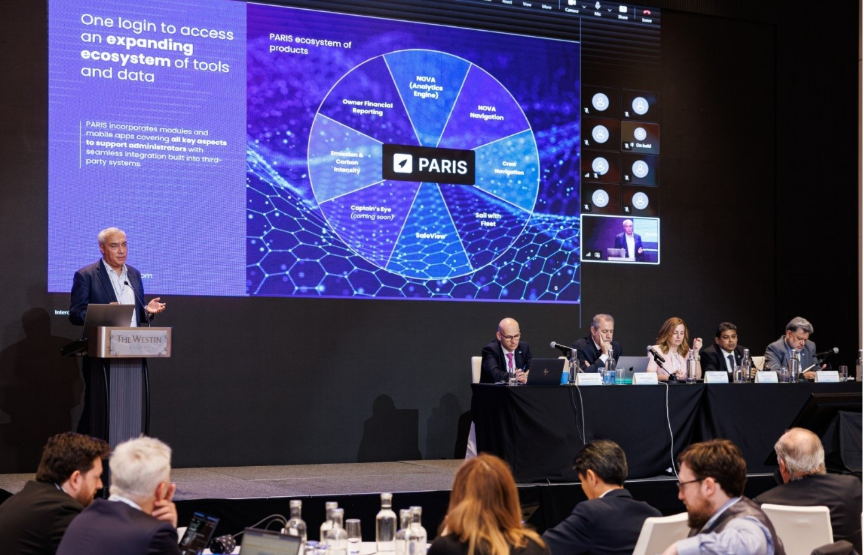
Fleet Management participated in the meeting as both sponsor and contributor, sharing a practical example of how everyday systems can be designed to reduce routine operational pressure, rather than add to it. The discussion focused on how the design of routine work influences workload, decision-making and safety outcomes across ship and shore teams.
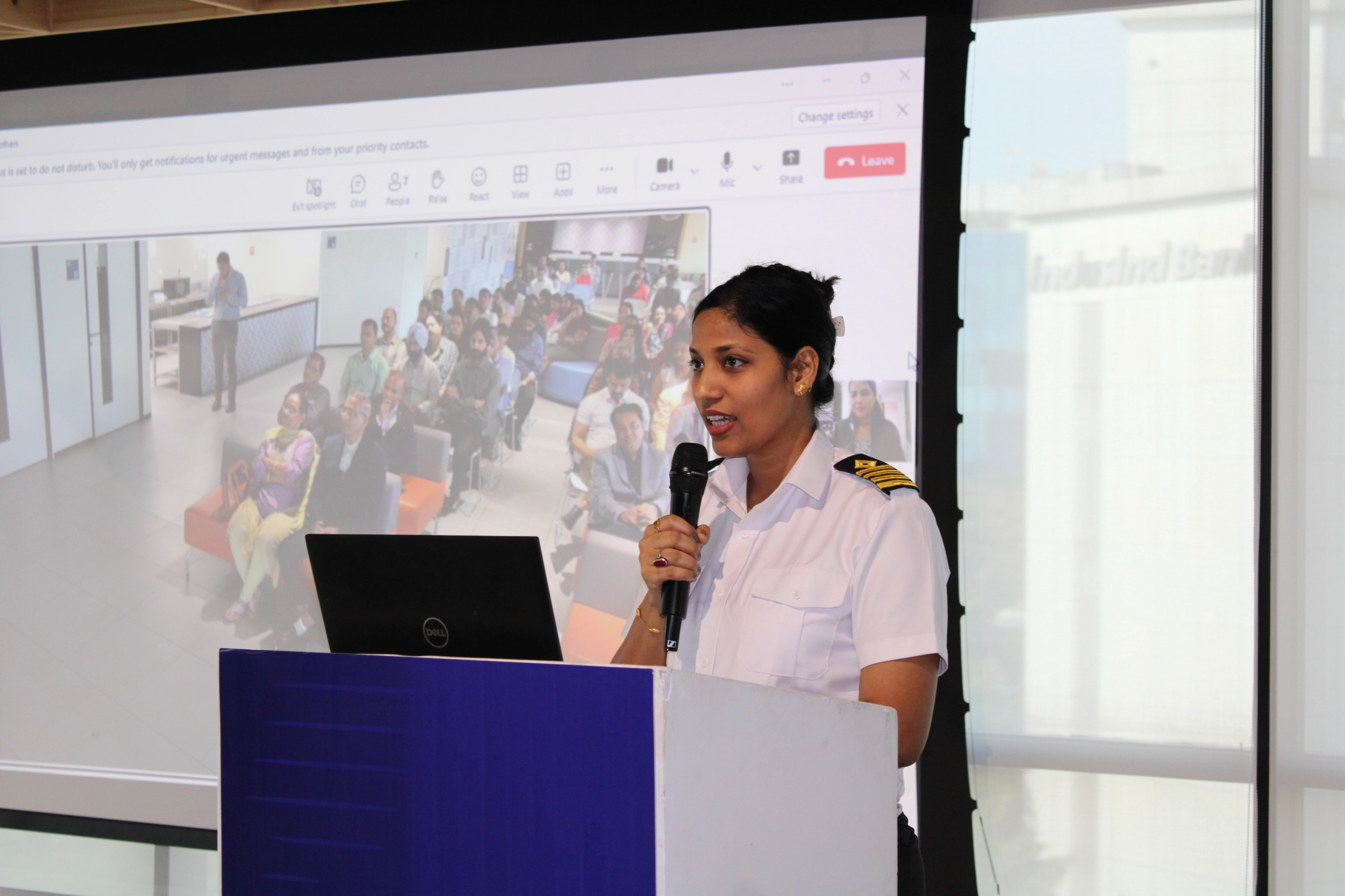
Capt. Ranvijay Singh Rana, Product Director, Dry Cargo Operations, presented a case study of Fleet’s PARIS platform, demonstrating how can routine work be designed and supported in a way that reduces pressure, rather than adding to it.
Routine Work, Real Risk
In my experience, many operational risks do not begin with major failures or exceptional events. They begin during routine work.
Maintenance planning, inspections, reporting and compliance checks are carried out every day across the industry, often under time pressure and alongside high volumes of communication. These tasks are essential, but when they accumulate, they can create mental strain, distraction and fatigue. Over time, this reduces the margin for safe and confident decision-making.
This aligns with wider industry findings. The European Maritime Safety Agency’s 2025 report highlights that a significant proportion of maritime accidents are influenced by human action during routine operations, particularly where workload and time pressure are factors. This reinforces a point many operators already recognise. How routine work is supported plays a critical role in safety outcomes.
A Practical Example from Our Operations
At the meeting, I shared a focused example from Fleet’s PARIS operations platform, based on how we have re-examined the design of routine inspection and reporting workflows.
We started with a simple question. What does each role genuinely need in order to carry out their responsibilities effectively, and what can be removed?
Within PARIS, interfaces are structured around specific operational roles. Vessel managers, superintendents, and client facing teams are presented only with information that is relevant to their responsibilities. This helps reduce duplication, limits unnecessary communication, and allows people to focus on decisions rather than administration.
In early 2026, we implemented targeted updates to several core operations modules. These changes reduced the number of steps required to complete common tasks, particularly around inspections and follow-up actions. The updates were adopted quickly by most users, and the feedback was consistent. Workflows were clearer, tasks were easier to complete accurately, and routine work required less mental effort.
The objective was not to make people work faster. It was to make routine work easier to do properly, even when operating under pressure.
Role-Based Interfaces in Fleet’s PARIS System
Fleet Management’s approach to technology starts with uncovering how people actually work. Rather than adding complexity, the focus has been on simplifying processes and reducing friction in everyday tasks.
Within the PARIS ecosystem, this is reflected in role-based interfaces tailored to vessel managers, superintendents and client-facing operations teams. Each user sees only what is relevant to their responsibilities, helping to reduce duplication, limit unnecessary communication and bring greater clarity to daily operations.
The emphasis is not on adding more tools, but on improving how work is done. By simplifying workflows and removing unnecessary steps, teams spend less time navigating systems and more time focusing on supervision, planning and decision-making.
Why This Matters Beyond One System
For INTERCARGO members, the relevance of this approach is clear. Safety performance is shaped not only by procedures and oversight, but by how everyday work is planned, supported and prioritised.
When systems are aligned with real operational needs, teams spend less time navigating tools and more time supervising, planning and intervening early. Clear information, presented at the right moment, supports better judgement and more consistent outcomes.
From our experience, small and deliberate changes in the design of routine work can make a meaningful difference, without increasing complexity.
![PARIS Carbon Intensity Indicator (CII) dashboard: Predict and monitor vessel emissions for CII, EU-ETS]](https://cdn.prod.website-files.com/66fcc42332c07a3f2624a9b9/6a1e909e3681650ff5500884_6a1e8f3c24905a3376a15543_69782eec0220b5a8221191fc_Emission%2BCI_gif%20compressed%2050%20percent.gif)
Discover PARIS here:Click Here ↗

.jpeg)
.jpeg)
.jpeg)
.png)
.jpeg)

.jpeg)
.jpeg)
.png)
.jpeg)
.jpeg)

%20(1).jpeg)

.jpeg)
.jpeg)


.jpeg)



.png)




-min.png)





.svg)