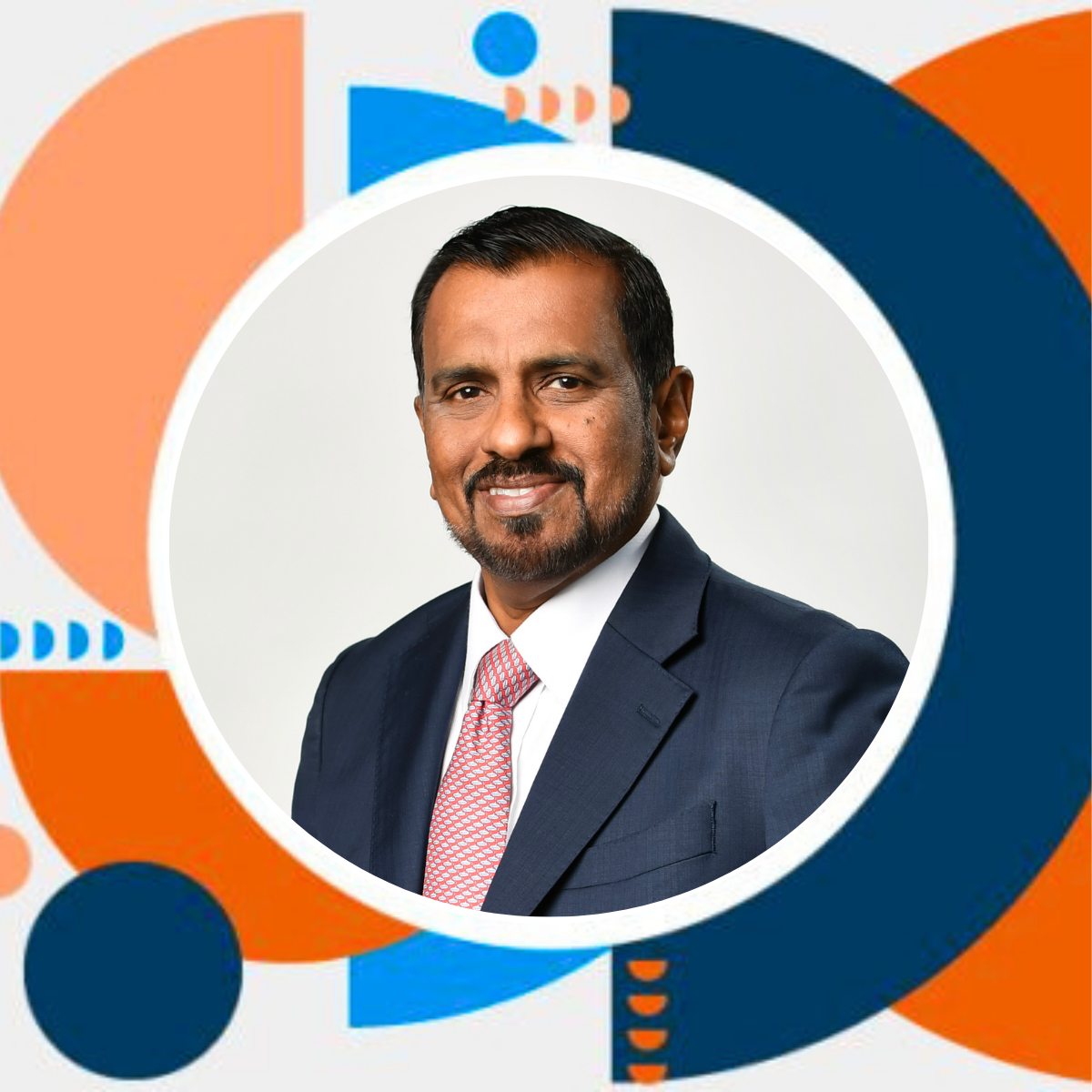
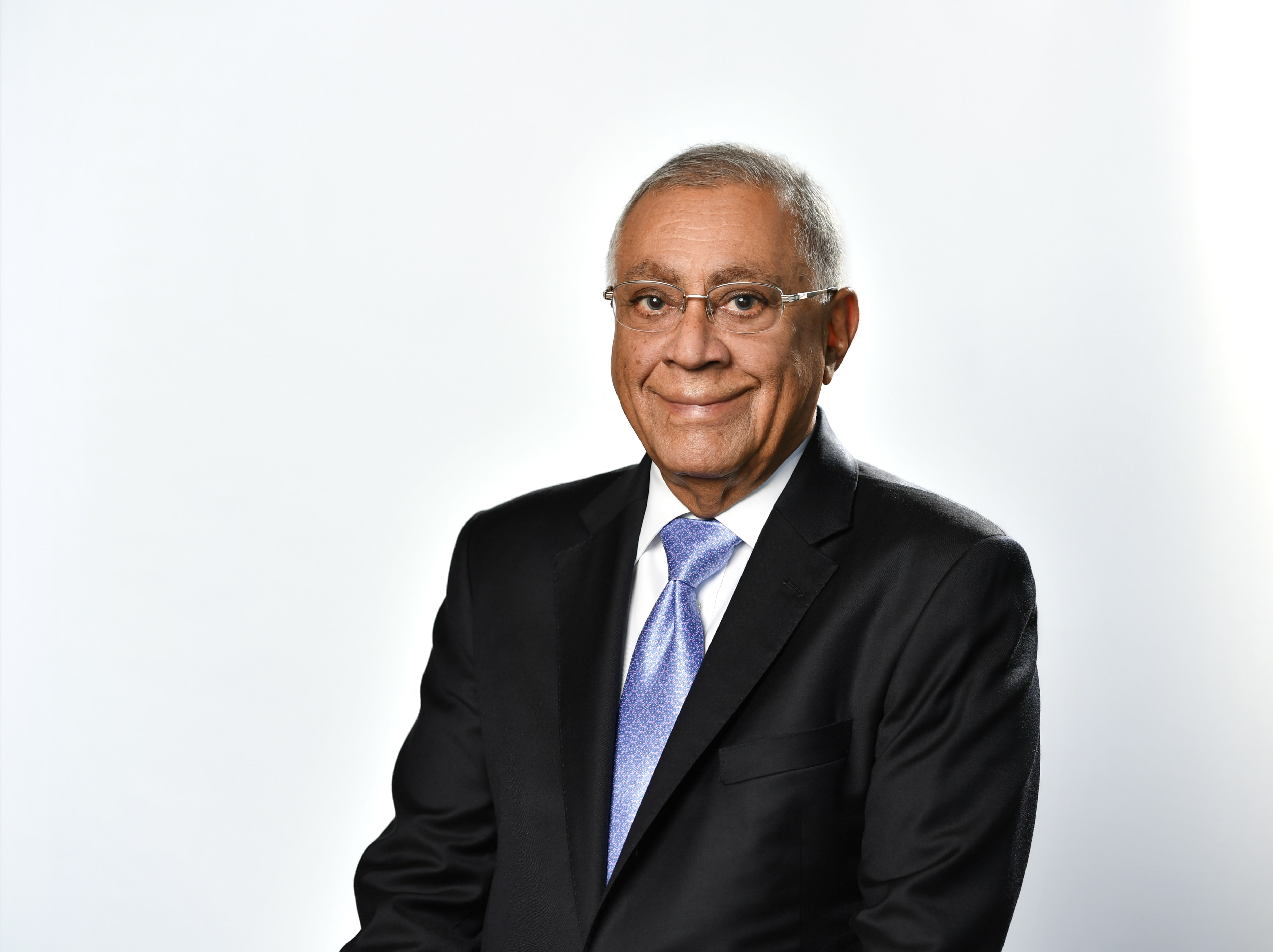
Fleet Management CEO Captain Raja Subramaniam joined Singapore Maritime Week 2026 to discuss disruption, resilience, and the human cost paid by seafarers caught in the Persian Gulf crisis.

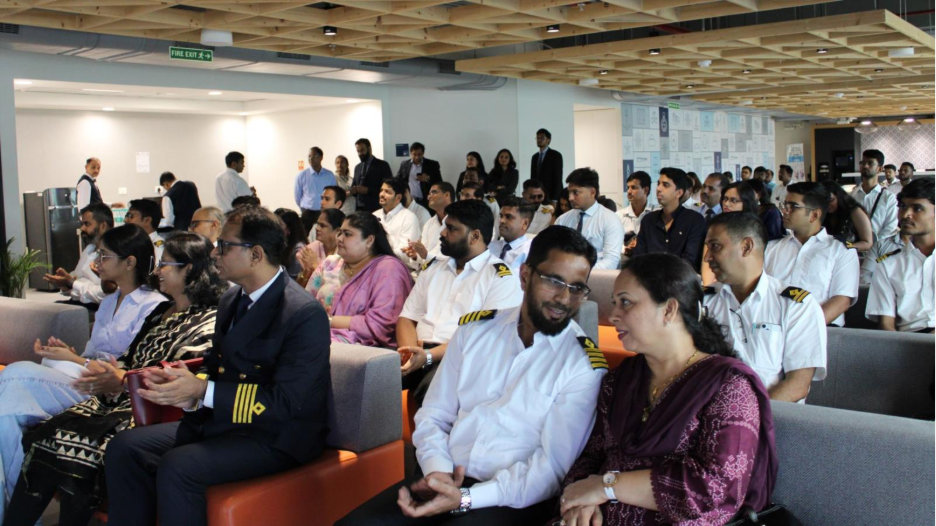
Singapore Maritime Week 2026 brought global shipping leaders together to reflect on how the maritime sector is changing amid growing geopolitical and operational challenges. In this context, Fleet Management was invited to share a frontline view on what disruption at sea means for global supply chains.
Drawing on operational experience, he highlighted the very real human cost faced by seafarers working at the heart of today’s crises, as well as the knock-on effects of events at sea that are felt far beyond shipping, with real consequences for economies, businesses, and people around the world.
Disruption, Chokeholds, Resilient Supply Chains
At CNBC Converge Live, held at the iconic Jewel Changi Airport, industry leaders from shipping, manufacturing, retail, and logistics examined how geopolitical shocks are reshaping global supply chains. The live panel, Supply Chains Under Siege, connected maritime disruption directly to board-level decision-making for a global business audience.
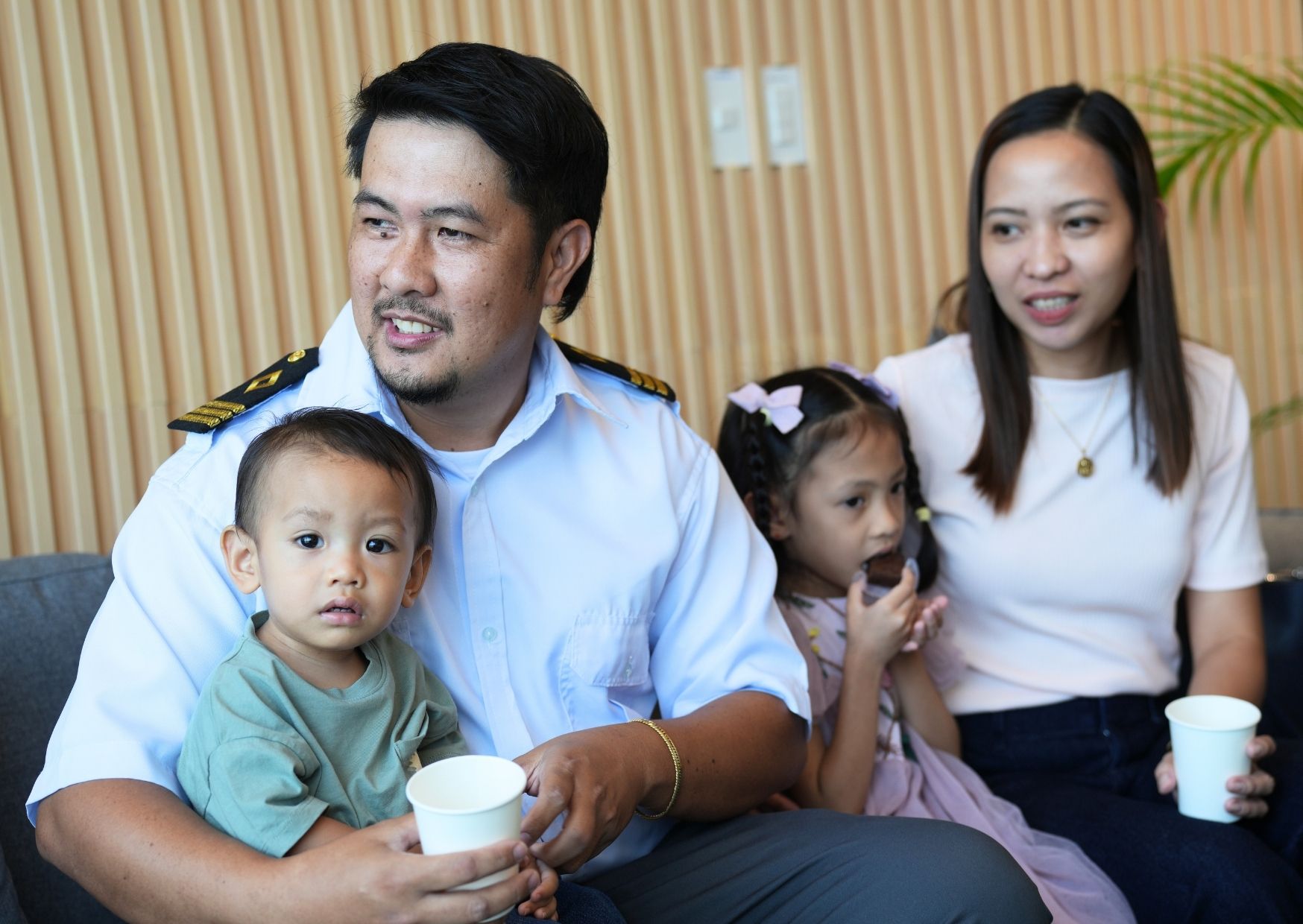
Captain Raja anchored his remarks on the human reality at sea – an often-overlooked casualty in commentary about the present crisis.
“Around 20,000 civilian seafarers are currently operating in or near areas of elevated risk. These are our people – civilians – operating on a frontline they never signed up for.”
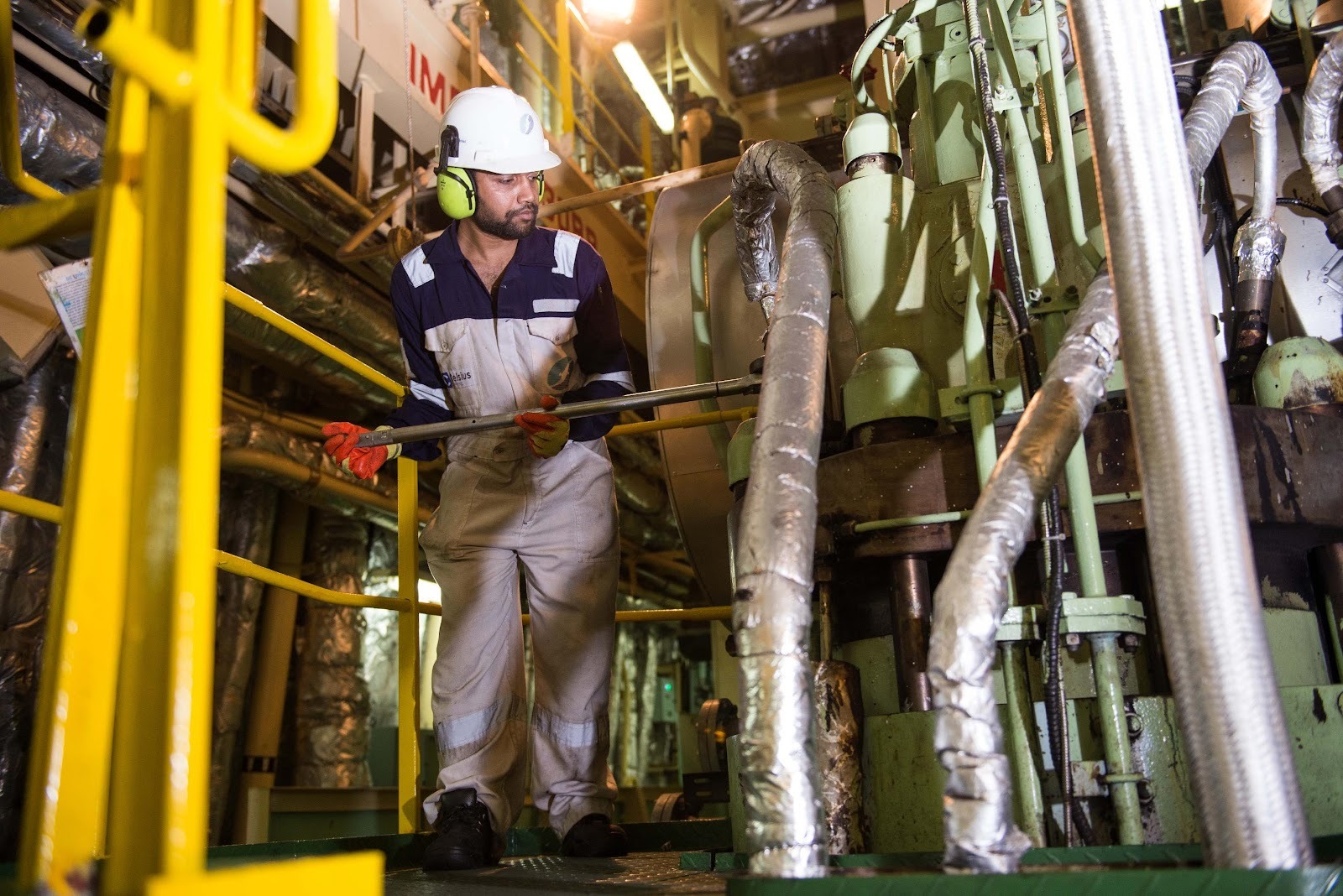
This human cost is significant because shipping underpins more than 80 per cent of global trade, and global economies depend on seafarers who operate amid prolonged uncertainty, heightened risk, and operational stress. Their work is essential to the functioning of global supply chains, and to the economies and communities that rely on them every day
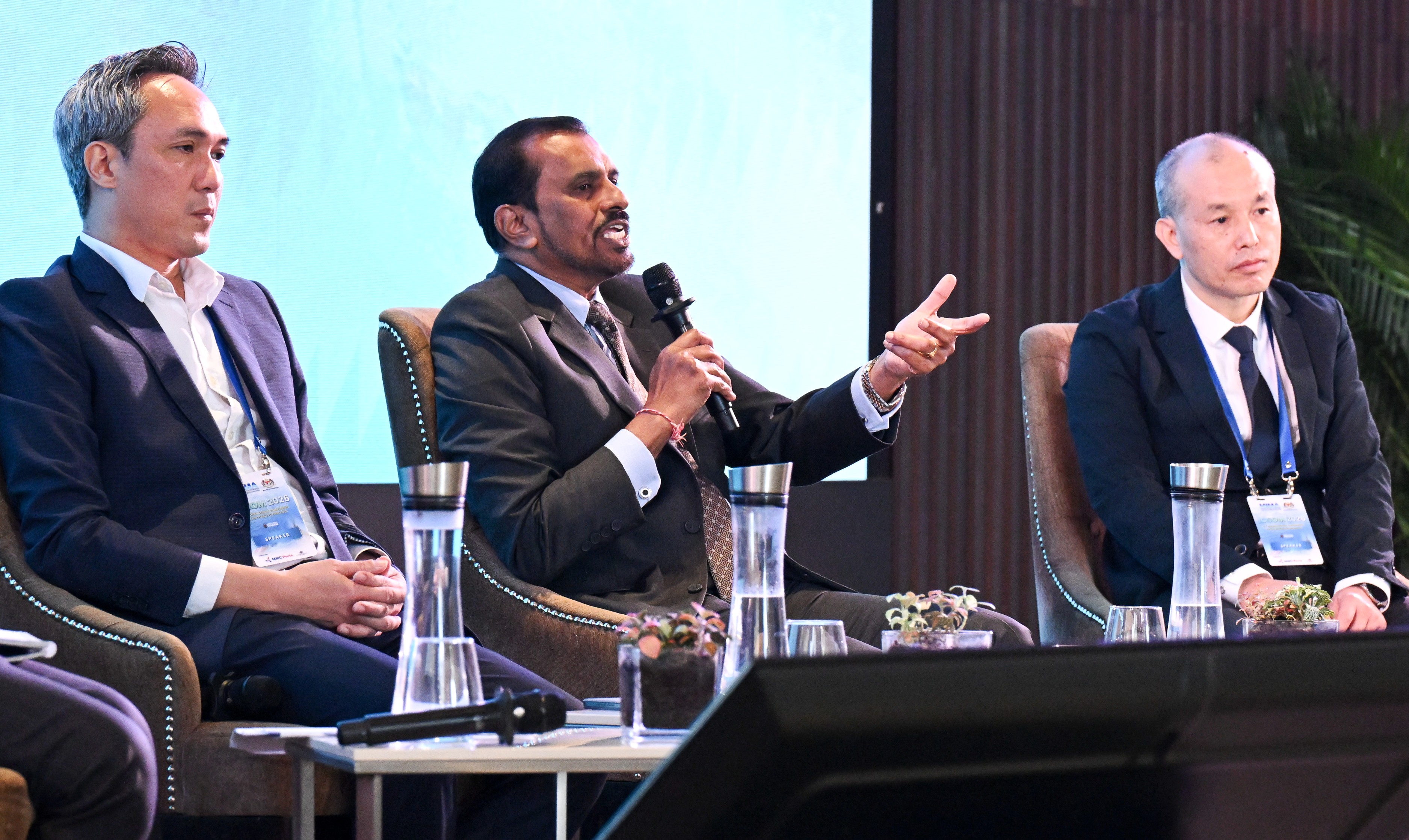
Joining fellow panellists and moderator Morgan Brennan, CNBC Anchor, Captain Raja noted how disruption at critical chokepoints, such as the Strait of Hormuz, removes capacity from the global system long before impacts are visible to end markets.
“Shipping absorbs the shock first, but it never keeps it. The cost flows through manufacturers, retailers, and ultimately consumers.”
As vessels divert to avoid high-risk areas, delays stretch into weeks and costs escalate. Rerouting is driving up costs, tightening capacity, disrupting schedules, and pushing inflationary pressure downstream. What begins as a maritime safety issue quickly becomes a boardroom concern.
Crucially, Captain Raja reinforced that resilience cannot come at the expense of our seafarers. Shipping can reroute and absorb cost, but it operates with a simple rule – if a vessel cannot proceed safely, it does not move.
Steering Through Turbulence at Lloyd’s List Outlook Forum
At the Lloyd’s List Intelligence Singapore Outlook Forum, chaired by Richard Meade, Editor-in-Chief of Lloyd’s List, industry leaders were asked a direct question: what is keeping shipping awake at night?
Across discussions on war in the Middle East, intensifying geopolitical tensions, tariff volatility and rapidly shifting trade lanes, Captain Raja drew attention back to the human cost being paid at the centre of present conflict.
“Seafarers did not sign up to be in a war zone, yet we are innocently being affected in this crisis – more than 2,000 assets with an estimated 20,000 seafarers onboard.”
Geopolitical uncertainty has become an operational constant. For owners and managers, this reality requires disciplined decision-making, close coordination with owners and authorities, and clear escalation frameworks to protect crews while maintaining service continuity. Speakers recognised that learning from current crises is essential to avoiding future chokepoints and safeguarding the reliability of global trade routes.
Leading the Conversation on Maritime Decarbonisation
At the UN Global Compact Oceans CEO Roundtable – held under Chatham House rules – CEOs from across the maritime industry came together to share experience, exchange perspectives, and collaborate on the critical challenge of decarbonisation.
Discussions focused on how the industry can reduce emissions while maintaining safety, operability, and commercial viability amid regulatory uncertainty. The dialogue reinforced that progress toward net zero will depend less on ambition alone, and more on collaboration across shipping, ports, energy providers, finance, regulators, and cargo interests.
Strong emphasis was placed on practical pathways forward – including clear standards, workable regulation, access to finance, and, critically, investment in training and skills to ensure seafarers are prepared to operate new fuels and technologies safely.
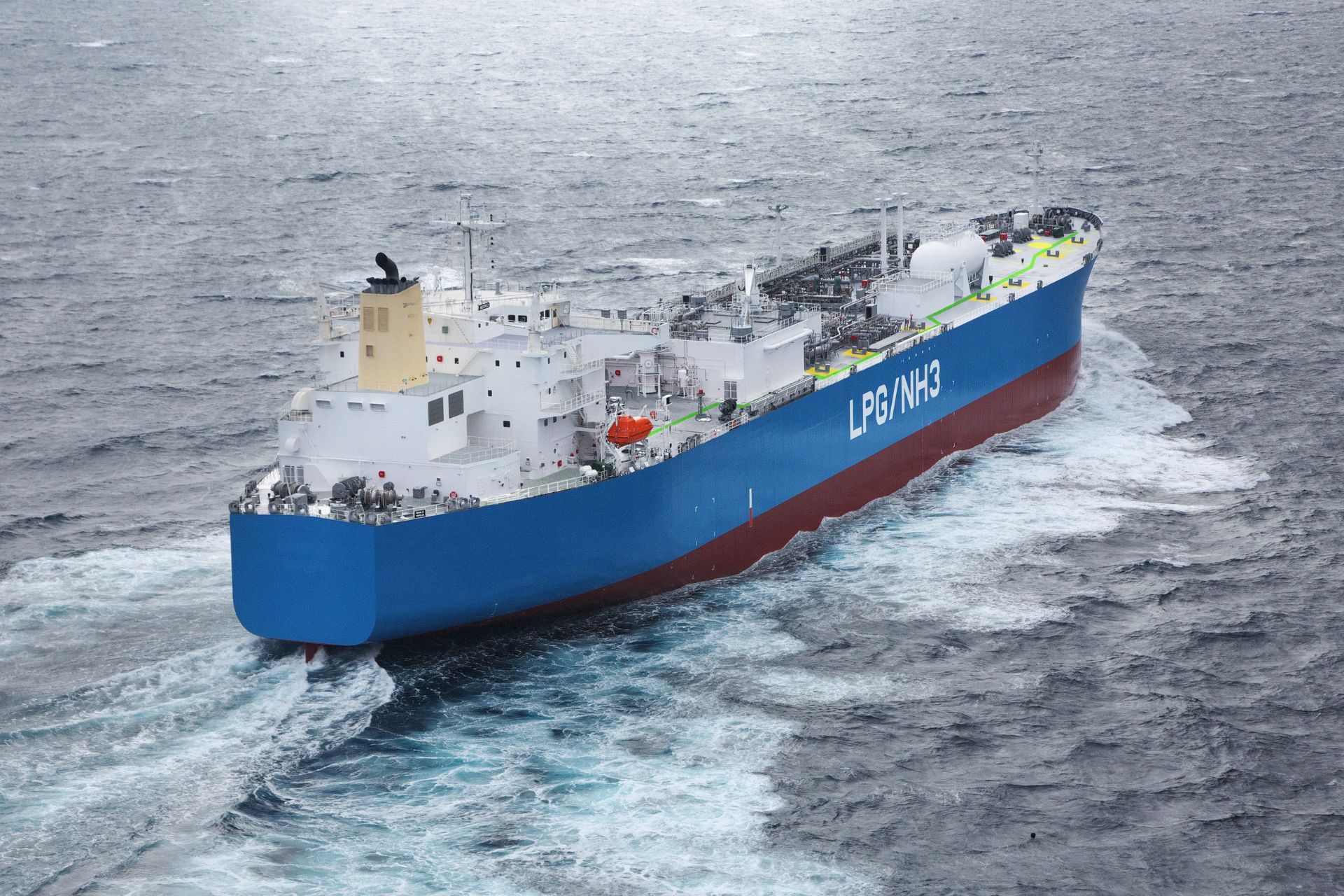
Fleet Management’s experience across emissions-reduction technologies, retrofitting, and the operation of dual-fuel vessels, alongside ongoing investment in training, was shared as part of a broader industry dialogue on how to maintain flexibility, avoid binary fuel bets, and support a just transition.
Resilience Built on People, Safety, and Trust
Across Singapore Maritime Week, discussions on geopolitics, supply chains, and decarbonisation continually emphasised the need for resilience and diversification to reduce chokepoints and shocks.
“Shipping underpins global trade and economic stability,” Captain Raja noted during the week. “But it only works when people, safety, and operational reality remain at the centre of decision-making.”
By protecting seafarers, maintaining disciplined operational frameworks, and investing in skills and preparedness, the maritime sector can continue to move essential goods and strengthening global supply-chain resilience through an increasingly complex world.

.jpeg)
.jpeg)

.jpeg)
.png)
.jpeg)

.jpeg)
.jpeg)
.png)
.jpeg)
.jpeg)
.jpg)

%20(1).jpeg)
.jpeg)
.jpeg)

.jpeg)



.png)



-min.png)





.svg)