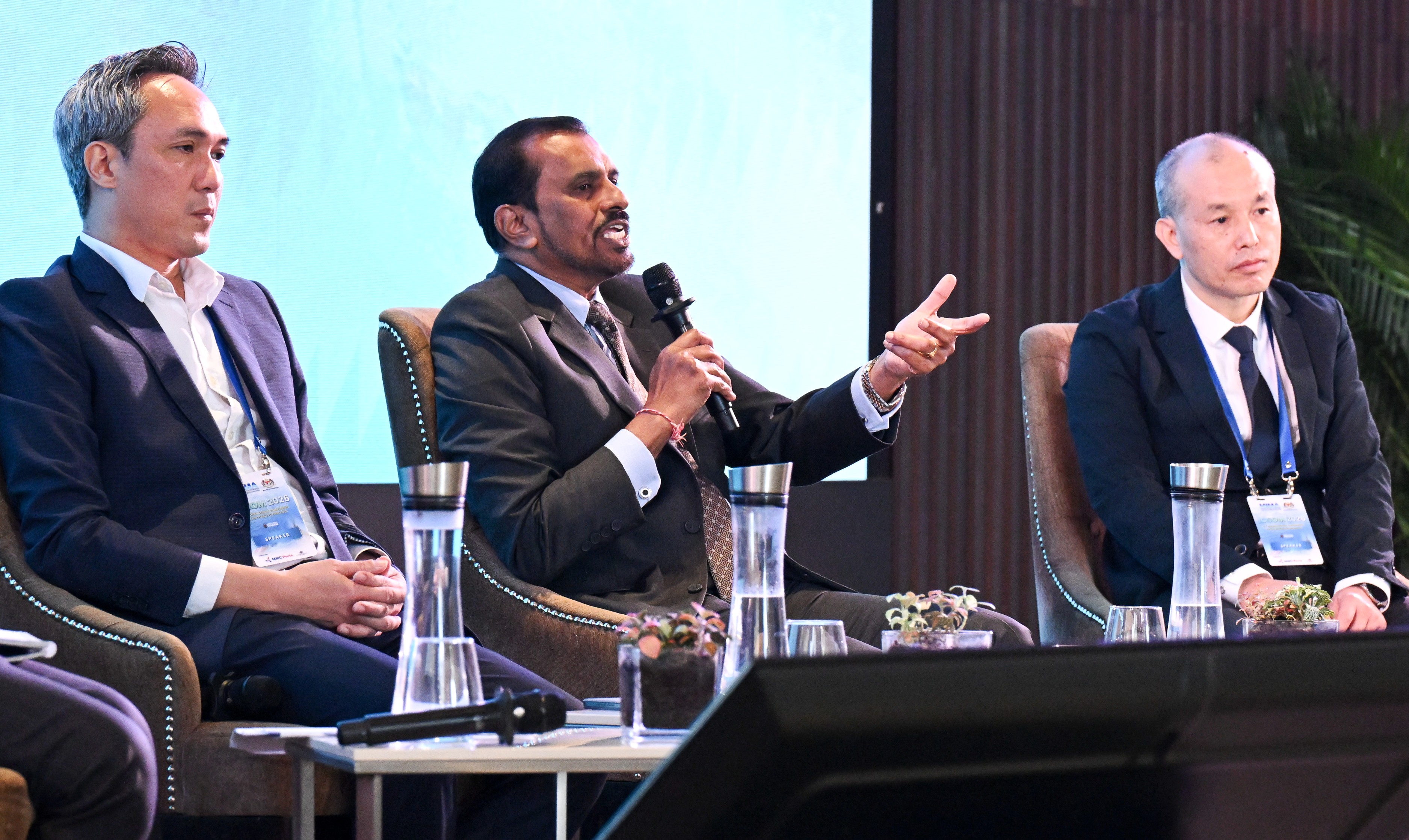
At Posidonia 2026 in Athens on 2 June, Mike Bradshaw, Executive Director, Commercial at Fleet Management, joined a panel discussion hosted by Prevention at Sea to explore a question that feels increasingly urgent for the maritime industry: have we truly made ships safer, or have we simply become better at proving compliance?
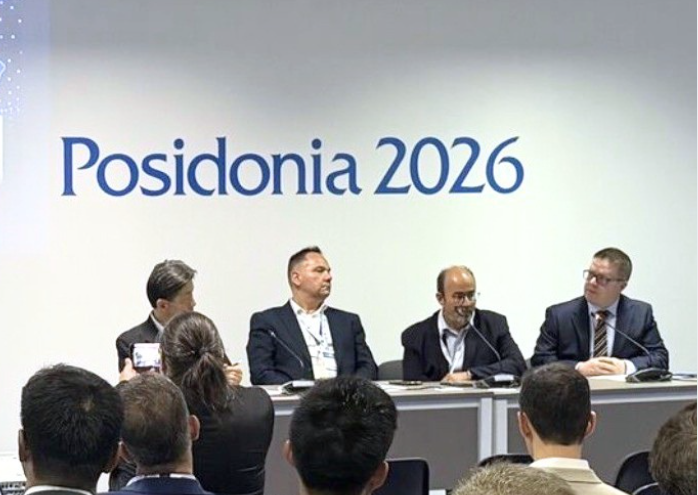
Moving Beyond Compliance to Performance
For many years, our industry has been built on structured Safety Management Systems, periodic audits, and detailed procedures. These remain essential but they are no longer enough on their own. What we are seeing now is a clear shift:
- From documented compliance to demonstrated performance
- From periodic inspection to continuous operational assurance
The real test is no longer whether a procedure exists but whether it consistently delivers safe, reliable outcomes onboard.
At Fleet Management, this is exactly how we think about ship management; not as a compliance exercise, but as a disciplined system focused on keeping the asset trading, safe, and performing every day.
Performance is Built, Not Inspected
One of the strongest messages from the discussion was that safety and performance cannot be “audited into existence”. They are built through:
- Experienced people making the right decision
- Disciplined processes applied consistently
- Close ship-shore integration
- Increasingly, real-time operational visibility
Fleet Management’s model is designed around exactly this idea, aligning people, processes, and data around each vessel to deliver consistent outcomes that shipowners can depend on. It’s not about passing inspections. It’s about performing, voyage after voyage.
Transparency is Reshaping Trust
With the rise of real-time data, the industry is entering a new era of transparency. This creates both opportunity and pressure. On one hand greater visibility:
- Builds confidence
- Strengthens partnerships
- Enables better decision-making
On the other:
- It exposes inconsistency
- Raises commercial sensitivities
What’s becoming clear is that we are moving toward a market where performance is increasingly visible. And that will naturally differentiate operators who consistently deliver, from those who are simply compliant on paper. At Fleet Management, transparency is not an afterthought, it is built into how we operate, giving shipowners clear insight, control, and confidence in how their assets are managed.
Trust, Talent and Consistency - The Real Differentiation
If there is one theme that stood out most strongly, it is that the fundamentals of our industry have not changed, even as everything around them evolves. Shipping remains built on:
- Trust: can you rely on your partner?
- People: do they have the competence and judgment?
- Performance: can they deliver consistently?
Fleet Management’s strength lies in how these come together:
- A people-led approach, founded by seafarers
- A performance-anchored culture, focused on outcomes
- A partnership mindset, working closely with shipowners to anticipate and solve challenges
What Must Never Change
As the industry continues to digitize and evolve, one thing must remain at the centre: Human accountability. The judgment of a Master. The ownership and responsibility of the crew. The trust between shipowner and manager. Technology can inform decisions, but it cannot take responsibility.
After more than three decades in shipping, it was both refreshing and encouraging to see how the conversation is evolving. Yes, the tools are changing. Yes, expectations are rising. But ultimately, the industry is returning to what matters most: disciplined execution, strong people, and consistent performance.
Because shipping has always been, and will remain, a people-led business built on trust.
Credit:
This article was originally published by Mike Bradshaw (2 June 2026): (22) Reflections from Posidonia: Why Performance, Trust and People Matter More Than Ever | LinkedIn
.jpg)
.jpeg)
.jpeg)
.jpeg)
.png)
.jpeg)

.jpeg)
.jpeg)
.png)
.jpeg)
.jpeg)
.jpg)

%20(1).jpeg)

.jpeg)

.jpeg)

.jpeg)



.png)




-min.png)





.svg)