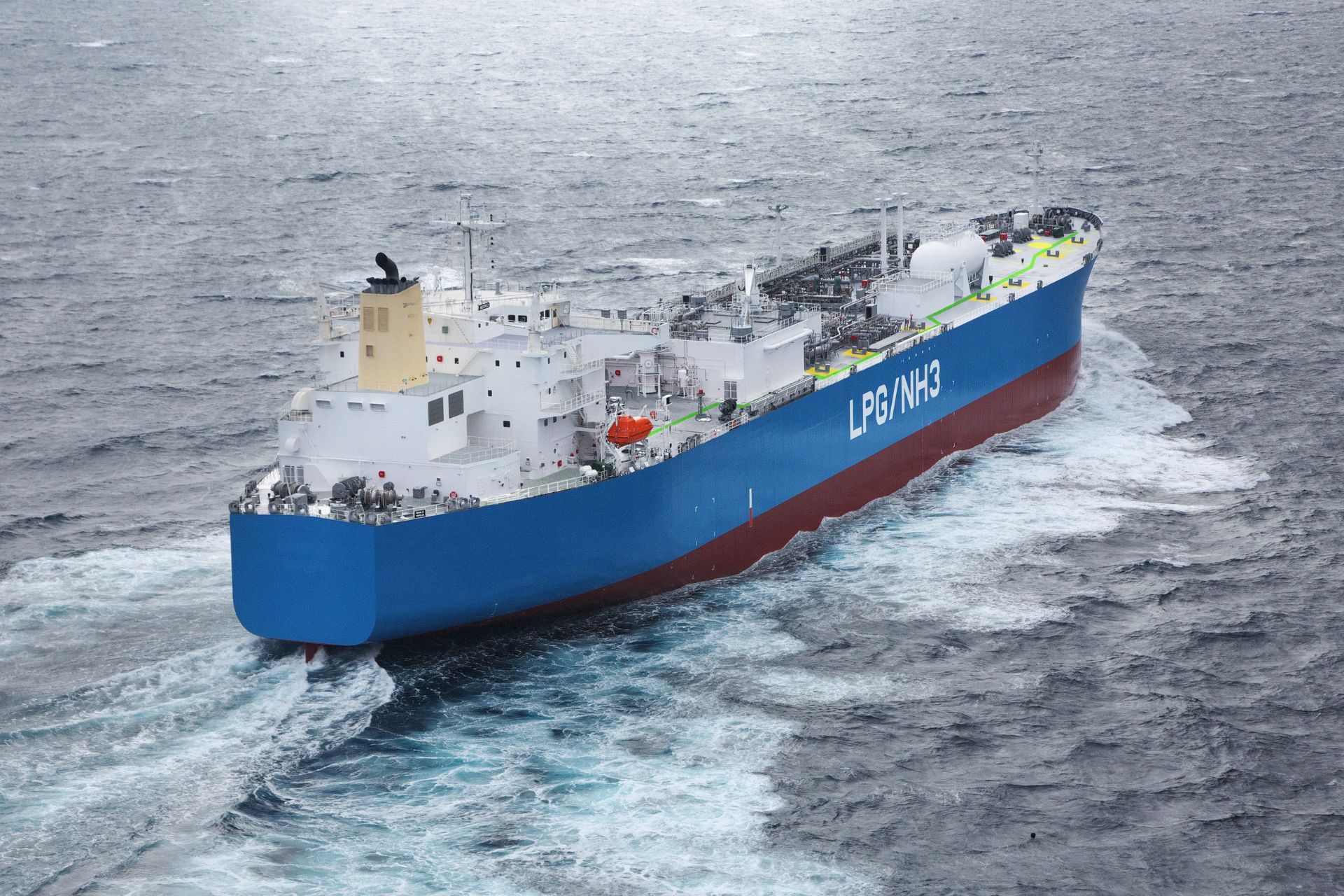
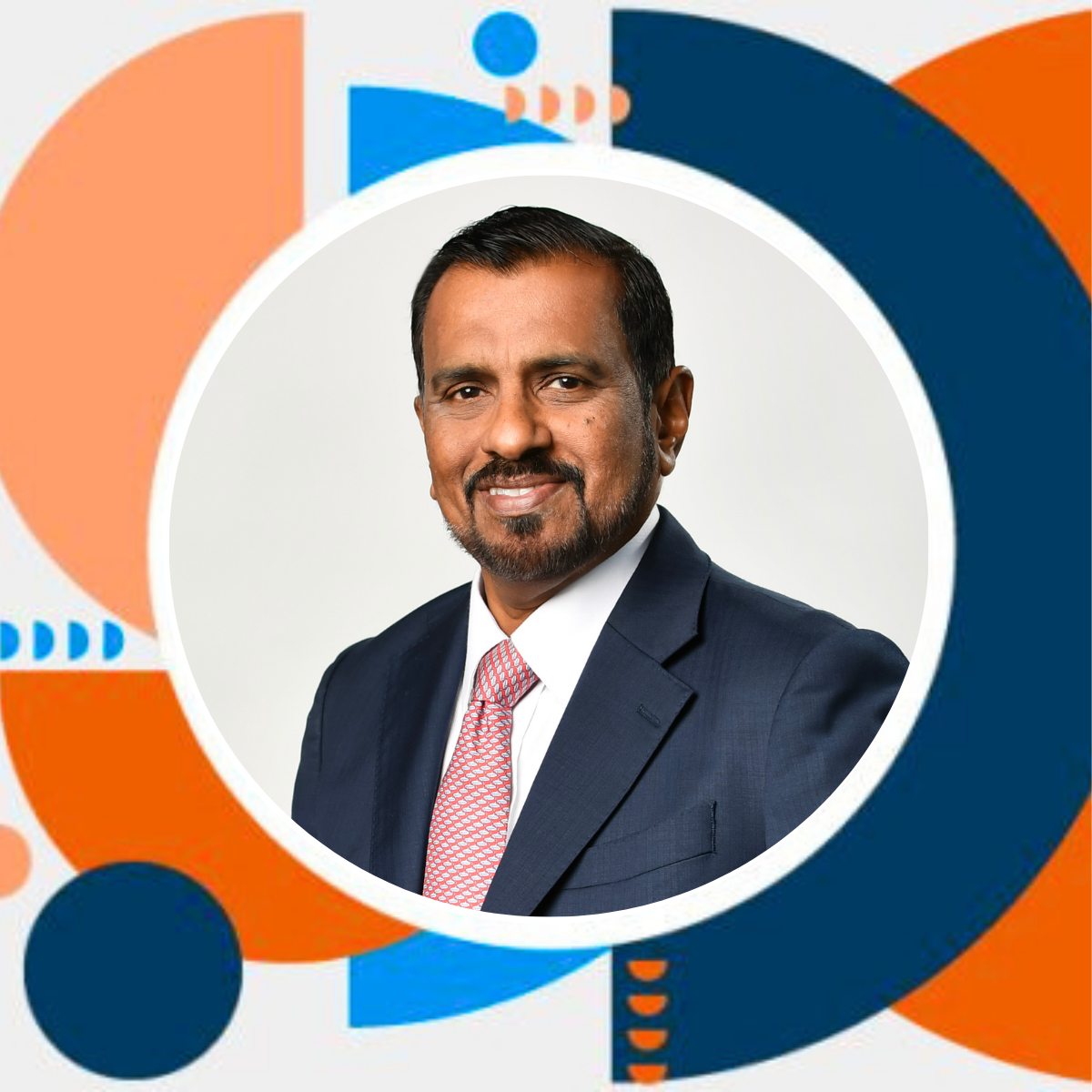
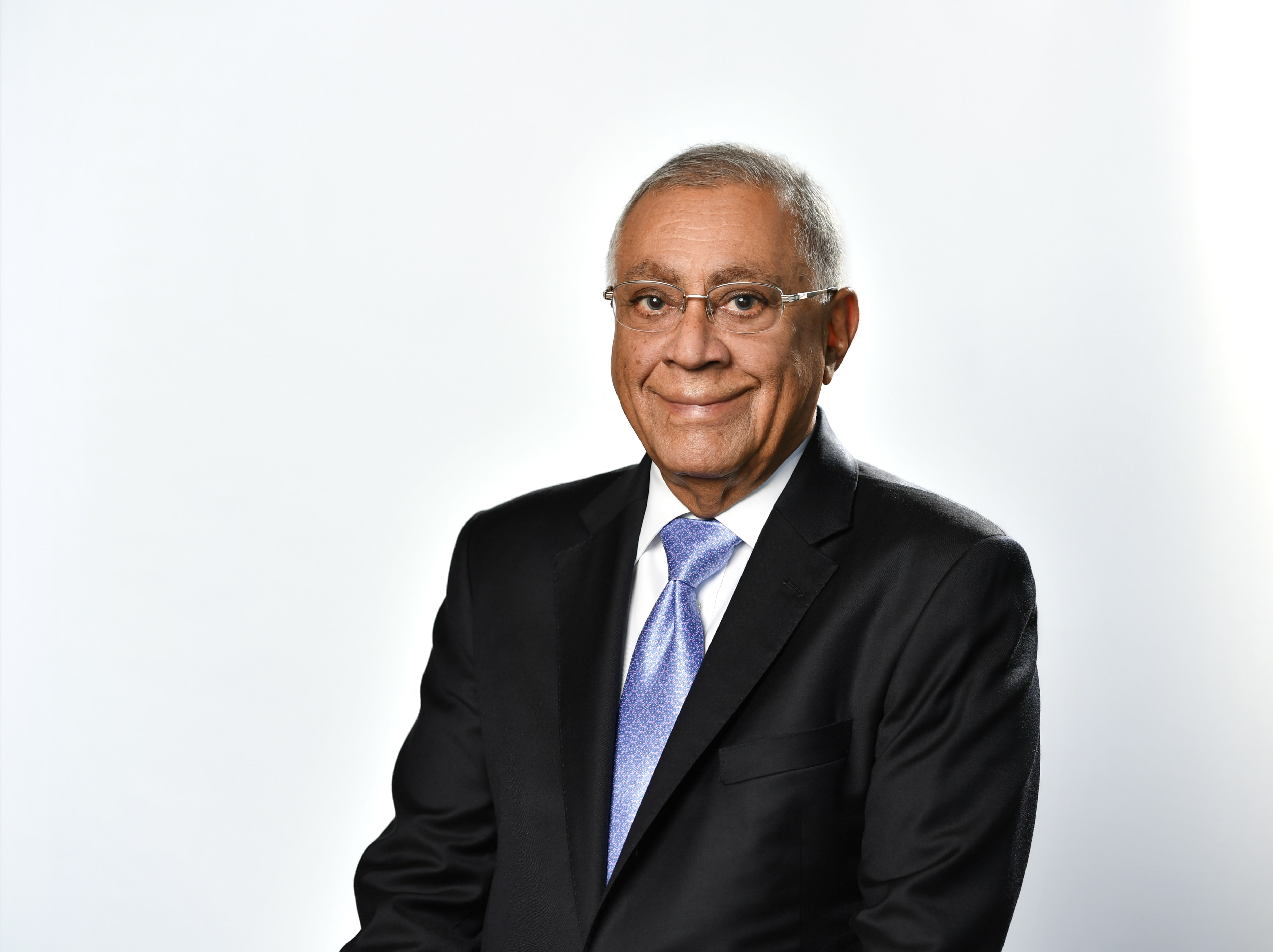
Capt. Raja Subramaniam, CEO of Fleet Management, spoke with Kaiji Press in Tokyo. While the company manages a wide variety of ship types and sizes, he highlighted plans to further strengthen its capabilities particularly in managing technically complex vessels such as dual-fuel (DF) ships, tankers and gas carriers.
“We aim for sustainable growth both quantitatively and qualitatively,” he said, emphasising that Fleet continues to invest in technology and talent development, including seafarers, to enhance its ship-management capabilities. As new regulations and technologies are increasingly applied to vessels, Fleet has strengthened its training functions this year in India and the Philippines, the world’s largest seafarer supply markets.
What is the current status of your managed fleet?
“We provide technical management for more than 600 vessels, in addition to over 130 newbuilding projects scheduled to come under management. Our managed fleet is younger and more energy-efficient than the industry average. We currently manage over 150 vessels for Japanese owners. Our relationship with Japanese owners spans more than 25 years and is built on trust. I, myself have visited Japan three times in the 11 months since assuming the role of CEO, which shows how important this market is for us. In January this year, to strengthen our presence in Japan and deepen partnerships, we appointed Mr Kazutomi Uchida as Senior Leader for Japan.”
You manage a diverse range of vessels, but are there particular segments you wish to expand?
“We manage a broad range of vessel types: bulk carriers, container ships, PCCs, product and chemical tankers, crude oil tankers, LNG carriers, LPG carriers, and more, and we focus on all segments. Within that, we especially aim to expand our dual-fuel fleet, technically demanding vessels, tankers, and gas carriers. Furthermore, we want to grow together with our customers through strong partnerships.”
You recently opened a ship-management office in Athens.
“We operate 27 offices across 12 countries. As technical-management hubs, we have Hong Kong, Singapore, India, Dubai, and Cyprus, and now Athens. Much of the world’s fleet is owned by Greek shipowners. For more than a decade, we served Greek clients from our Cyprus office, but by opening in Athens, we can deliver value to Greek owners more quickly. With Athens, we can now offer technical management, crewing, safety and quality-assurance solutions from a location closer to the needs of both Eastern and Western customers.”
How do you view Hong Kong’s future as a maritime management hub?
“Hong Kong remains one of the world’s leading maritime centres, backed by a globally recognised financial market and highly trusted legal system. Four of the world’s top ten ship-management companies are based there. We believe Hong Kong will continue to possess the strengths needed to support the global maritime industry as a world-class maritime city.”
Fleet Management is also focused on developing digital tools.
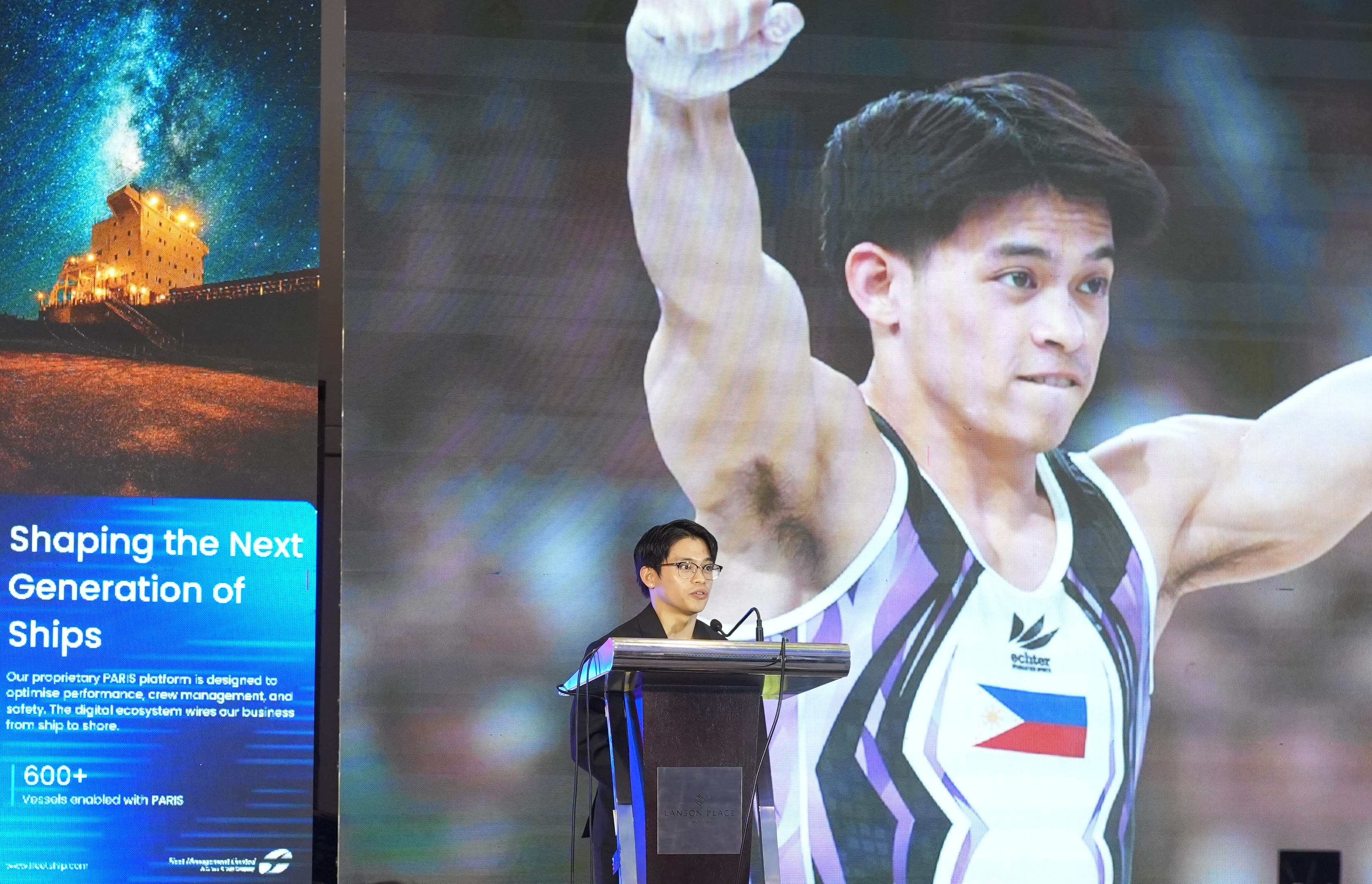
“Trust is the foundation of our success. Our competitiveness comes from continued investment in technology and people. For example, our PARIS platform provides real-time vessel monitoring, predictive maintenance and compliance reporting. It is an integrated single platform connecting ship and shore; once data is entered, it is shared seamlessly, improving operational efficiency and ensuring all stakeholders reference a single, accurate source of information. Our financial-reporting dashboard for shipowners enables rapid decision-making by owners in Japan and around the world.”
How are you managing seafarer deployment?
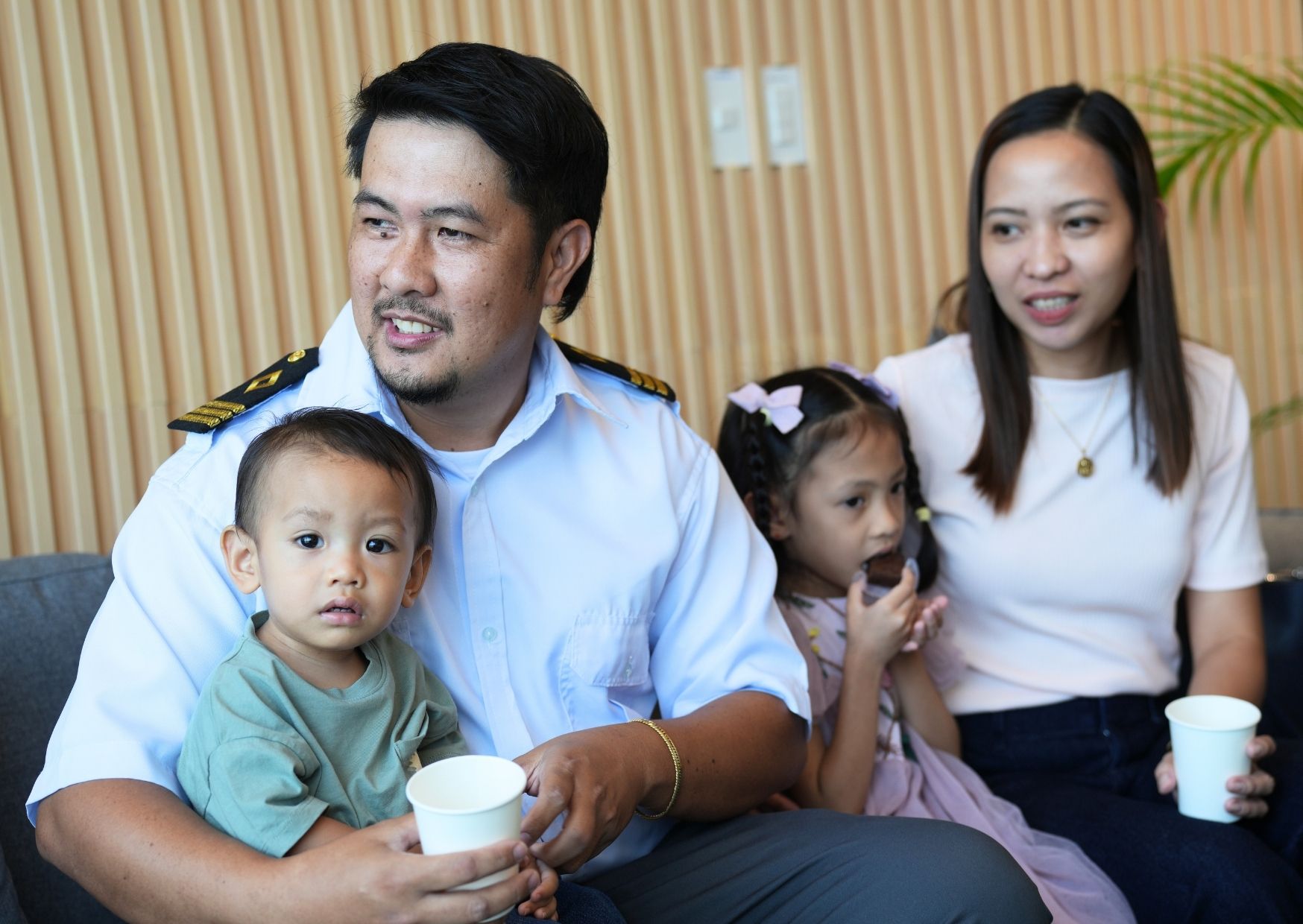
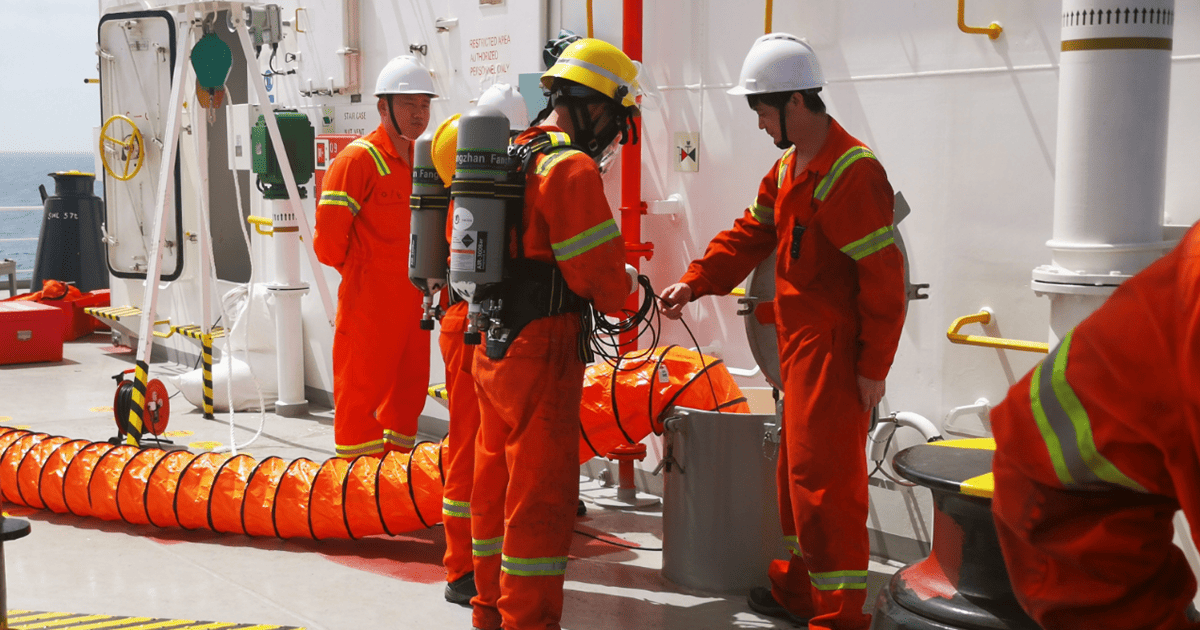
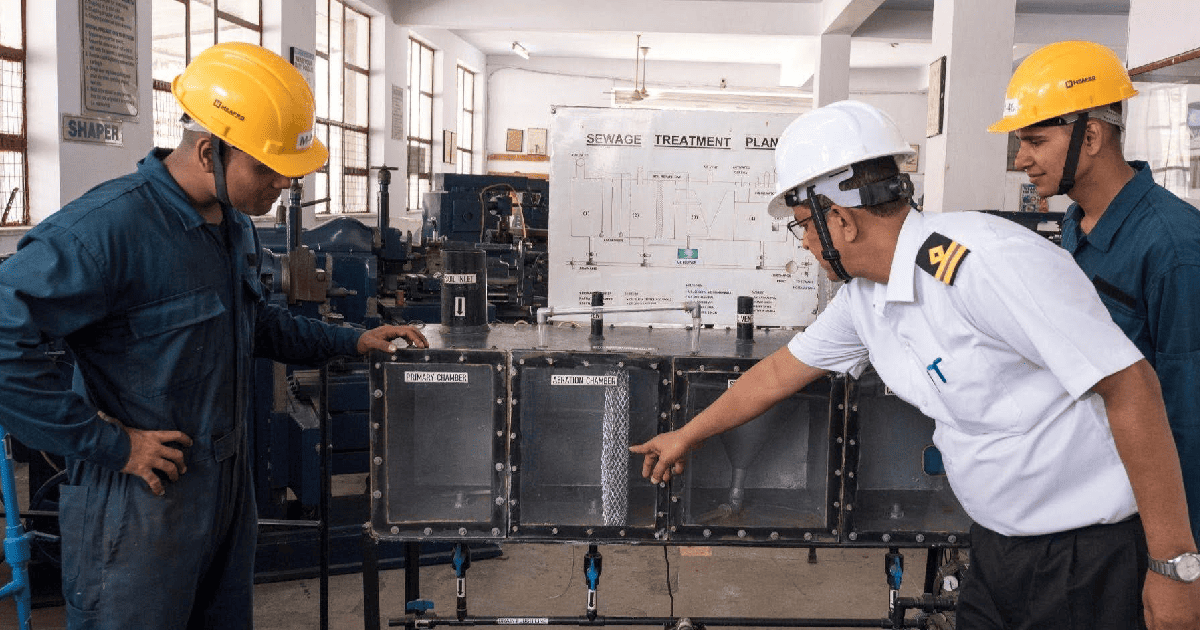
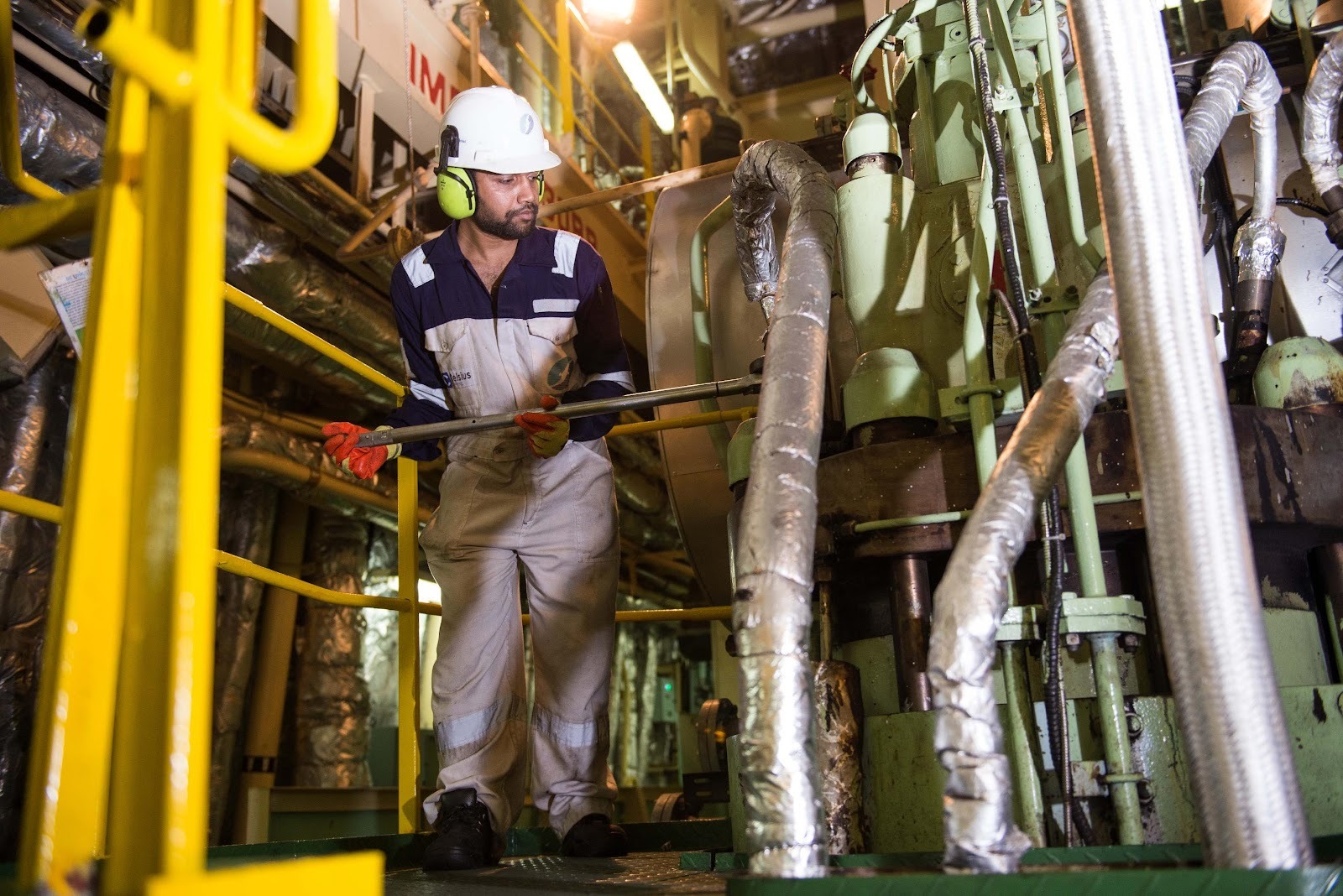
“Our business is supported by people, and talent development is a top priority. More than 27,000 seafarers support our operations worldwide. India remains our main crew-supply base with over 20,000 Indian-subcontinent seafarers. This year we acquired the prestigious International Maritime Institute (IMI) near Delhi in Greater Noida, making a significant investment in maritime education and the development of next-generation seafarers and leaders. We already operated a training facility in Mumbai, and this acquisition adds IMI’s campus. We have expanded our pre-boarding training functions and developed advanced courses in areas such as alternative fuels, GHG reduction and digital navigation. For us, training is not a cost; it is an investment in safety and operations.”
You are also expanding Filipino seafarer numbers.
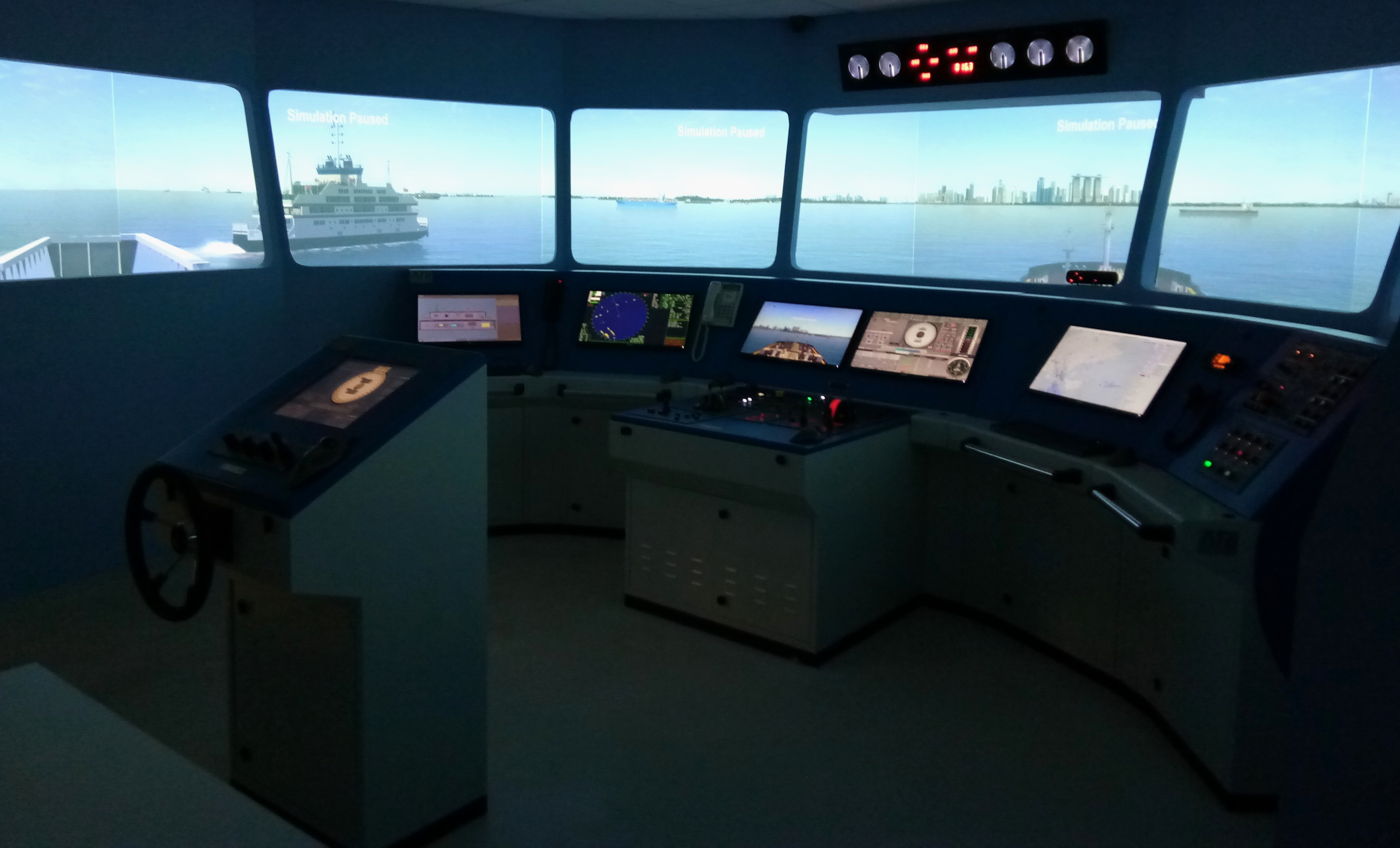
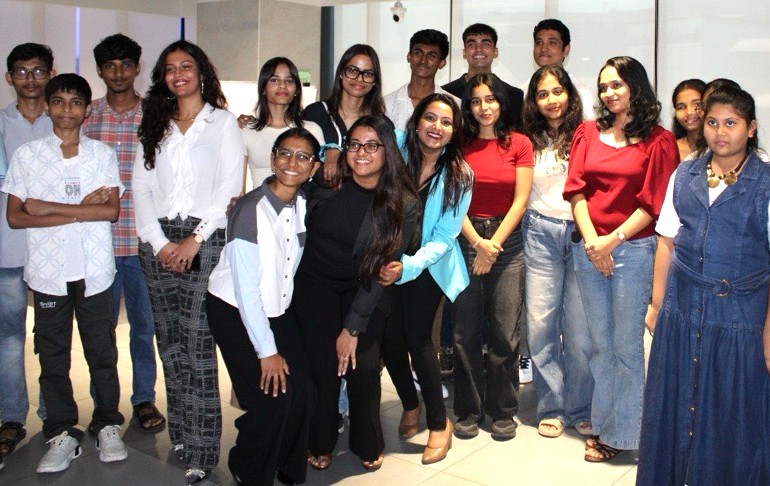
“We currently have more than 4,000 Filipino seafarers and plan to increase this to 6,000 over the next two to three years. In September, we expanded our Manila training facility, installing a full-mission bridge simulator, engine simulator and liquid-cargo-handling simulator. The Philippines supplies more than one-quarter of the world’s roughly 2 million seafarers and plays a central role in world shipping. Strengthening our presence there demonstrates our long-term commitment to sustainable, high-quality operations.
“It’s not just about investing in infrastructure. Simply installing simulators does not equal training; we are also enhancing instructor-skill-development programmes.
“These countries (India, the Philippines and others) are key crew-supply nations for the global maritime industry and for our company. We will continue strengthening capabilities in these core regions, and only thereafter look to expand into new crew-supply markets.”
New regulations continue to be introduced and vessels themselves are becoming more technologically complex.
“Indeed. Dual-fuel vessels (LNG, ammonia, methanol) and new navigation software are emerging. To cope with these developments, we must ensure our people, the source of our strength, acquire higher-level skills and competencies. To avoid mismatches in capability, continuous additional training is essential. That is why we are investing for both the present and the future.”
The IMO decided to postpone adoption of the Net-Zero Framework GHG-reduction regulation by one year. How do you interpret this?
“The one-year delay creates uncertainty. Shipowners already face overlapping regulations such as CII, EEXI, EU-ETS and FuelEU Maritime, making investment decisions increasingly complex. However, rather than seeing this delay as slowing progress towards decarbonisation, we should view it as an opportunity to strengthen preparedness. The IMO’s 2050 net-zero agenda itself has not changed. This period should be used to enhance crew competence and ensure procedural alignment, which will reduce compliance risk and maintain business performance.”
(Interviewers: Yoshiko Kusakabe and Koji Takagi)
This article was originally published in Kaiji Press (8 December 2025): DF船・タンカー・ガス船を拡大船舶管理大手フリートのラジャリンガム・スブラマニアムCEOに聞く | 海運<経営・全般> | ニュース | 海事プレスONLINE

.jpeg)
.jpeg)
.jpeg)
.png)
.jpeg)

.jpeg)
.jpeg)
.png)
.jpeg)
.jpeg)
.jpg)

%20(1).jpeg)

.jpeg)
.jpeg)

.jpeg)



.png)



-min.png)





.svg)