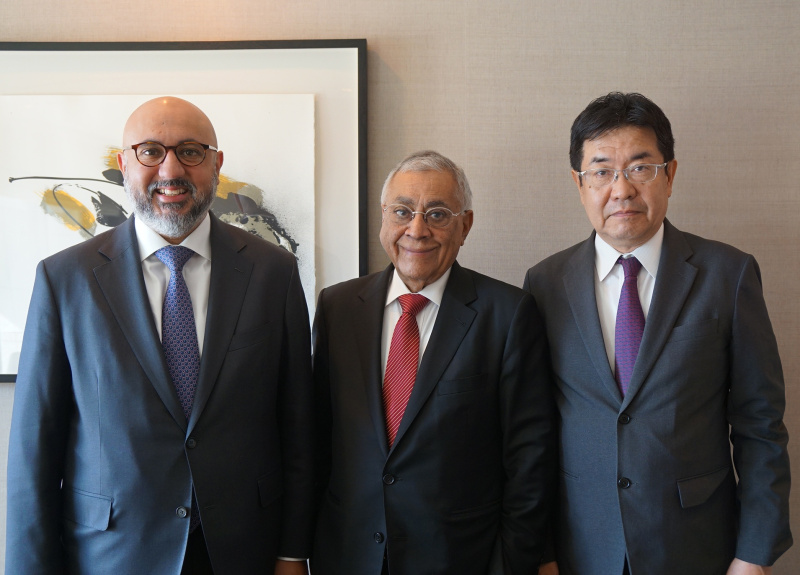
At Hong Kong Maritime Week 2026, Angad Banga, JP, Executive Director of Fleet Management Limited and Chief Executive Officer of its parent group, The Caravel Group, reflected on what it will take for shipping to remain resilient in a more uncertain world, and what more can be done to protect the seafarers who sail the ships.
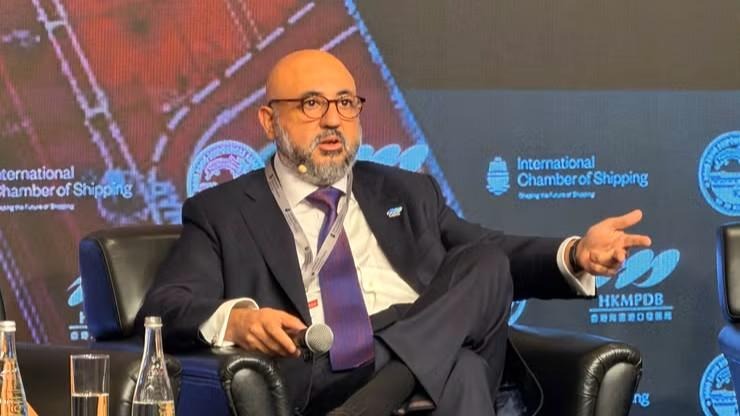
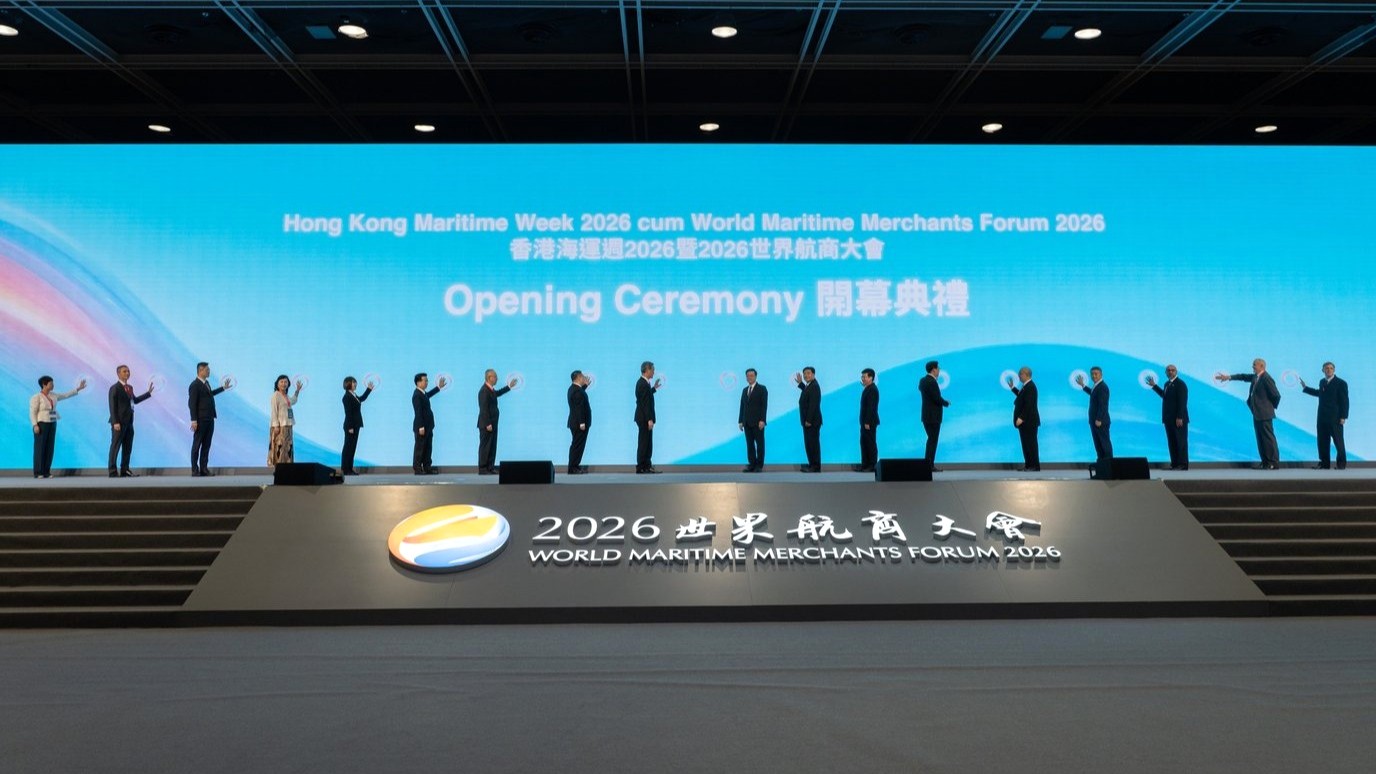
Over six days, Angad Banga, JP, Executive Director of Fleet Management Limited and Chief Executive Officer of The Caravel Group, joined discussions spanning the International Chamber of Shipping Global Maritime Trade Summit, World Maritime Merchants Forum Main Forum, Capital Link Hong Kong Maritime Forum, Xinde Marine Forum Hong Kong and TradeWinds Shipowners Forum. Together, the events brought shipowners, financiers, policymakers, regulators, seafarer representatives and industry leaders together to examine the future of trade, shipping and maritime resilience.
Despite the different audiences and topics, a consistent theme ran through the week's conversations. Shipping can adapt to disruption, but lasting resilience depends on investment in people, capability and trusted partnerships long before the next crisis arrives.
The First Test of Resilience Is People
Hong Kong Maritime Week's theme this year was Trusted Resilience Powering Global Trade. For Fleet, resilience begins with the people responsible for keeping ships moving safely around the world.
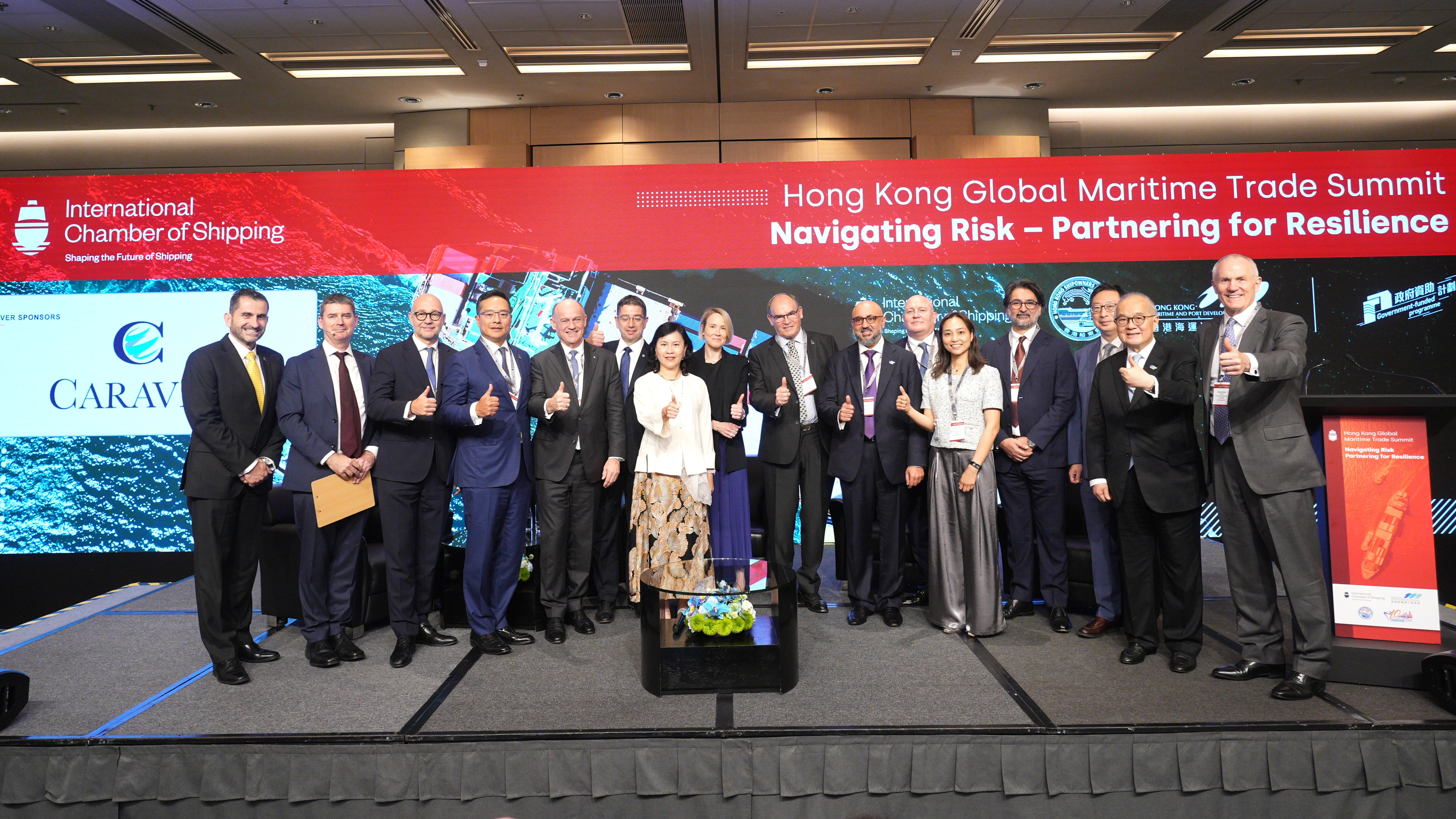
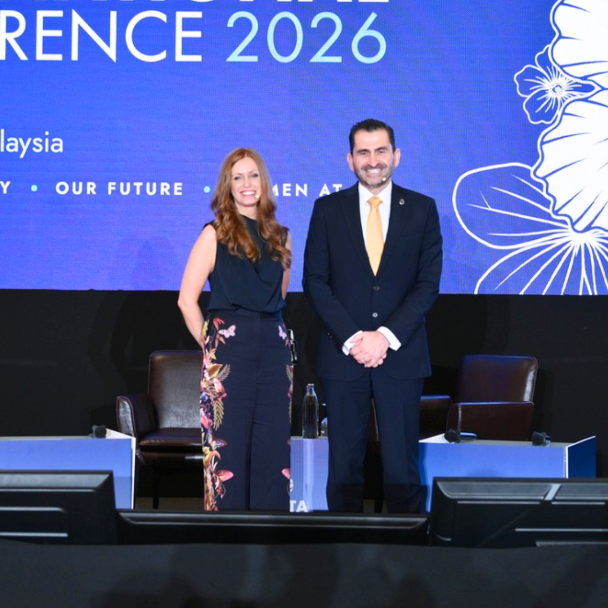
At the ICS Global Maritime Trade Summit, where Angad joined industry leaders from Mitsui O.S.K. Lines, the International Transport Workers’ Federation and Lloyd’s Register to discuss geopolitical disruption and trade realignment, he challenged the audience to think about resilience differently.
Angad Banga, JP, said:
“The test of resilience is simple. When the route changes, does the cargo still move, does it still get financed, and is the crew still looked after?”
The first two questions are commercial. The third is human.
Throughout the week, Angad repeatedly returned to the role of seafarers. Routes can change, insurance can be rearranged and cargo can be rerouted. None of it happens without skilled people onboard.
The point was reinforced at the World Maritime Merchants Forum during the launch of the Global Seafarer Health and Rights Report, where he joined industry leaders on stage in highlighting the importance of protecting the people who keep world trade moving.
The challenge is becoming more urgent. The 2026 BIMCO and ICS Seafarer Workforce Report estimates a shortage of 39,100 certified officers today, with 113,735 more required by 2030. For Fleet, investment in training, welfare and career development is therefore not a social initiative. It is a resilience strategy.
Capability Must Be Built Before It Is Needed
A second theme emerged repeatedly across discussions on technology, cybersecurity and operational performance. At multiple forums, Angad argued that resilience is created before disruption occurs, not during it. The same principle applies to technology.
Artificial intelligence, digitalisation and new operating systems all have a role to play. But technology only creates value when people are prepared to use it effectively.
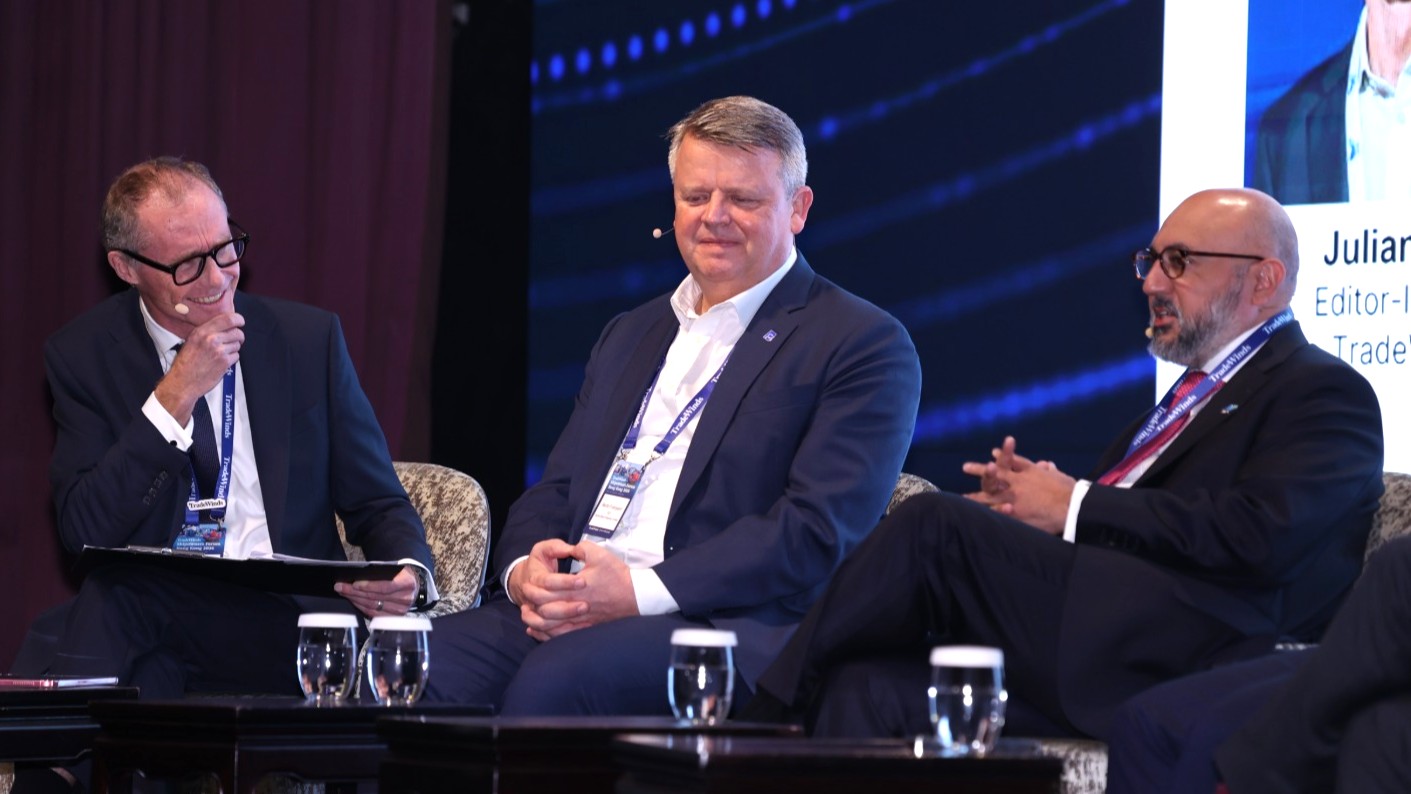
On cybersecurity, Angad warned that shipping's greatest vulnerability may not be connectivity itself but concentration, as TradeWinds reports.
Much of the global fleet relies on the same chart systems, satellite networks and software platforms. When those systems are disrupted, the exposure extends far beyond a single vessel or company. The answer is not simply more technology. It is disciplined processes, continuous training and treating cyber risk as a safety issue rather than a purely technical one.
Speaking to Splash 247, he said:
“Technology is not usually the limiting factor. Trust and adoption are.”
The same logic applies to decarbonisation. New fuels, digital tools and environmental technologies all require trained crews and shore teams capable of operating them safely and effectively.
Stronger Maritime Ecosystems Create Stronger Outcomes
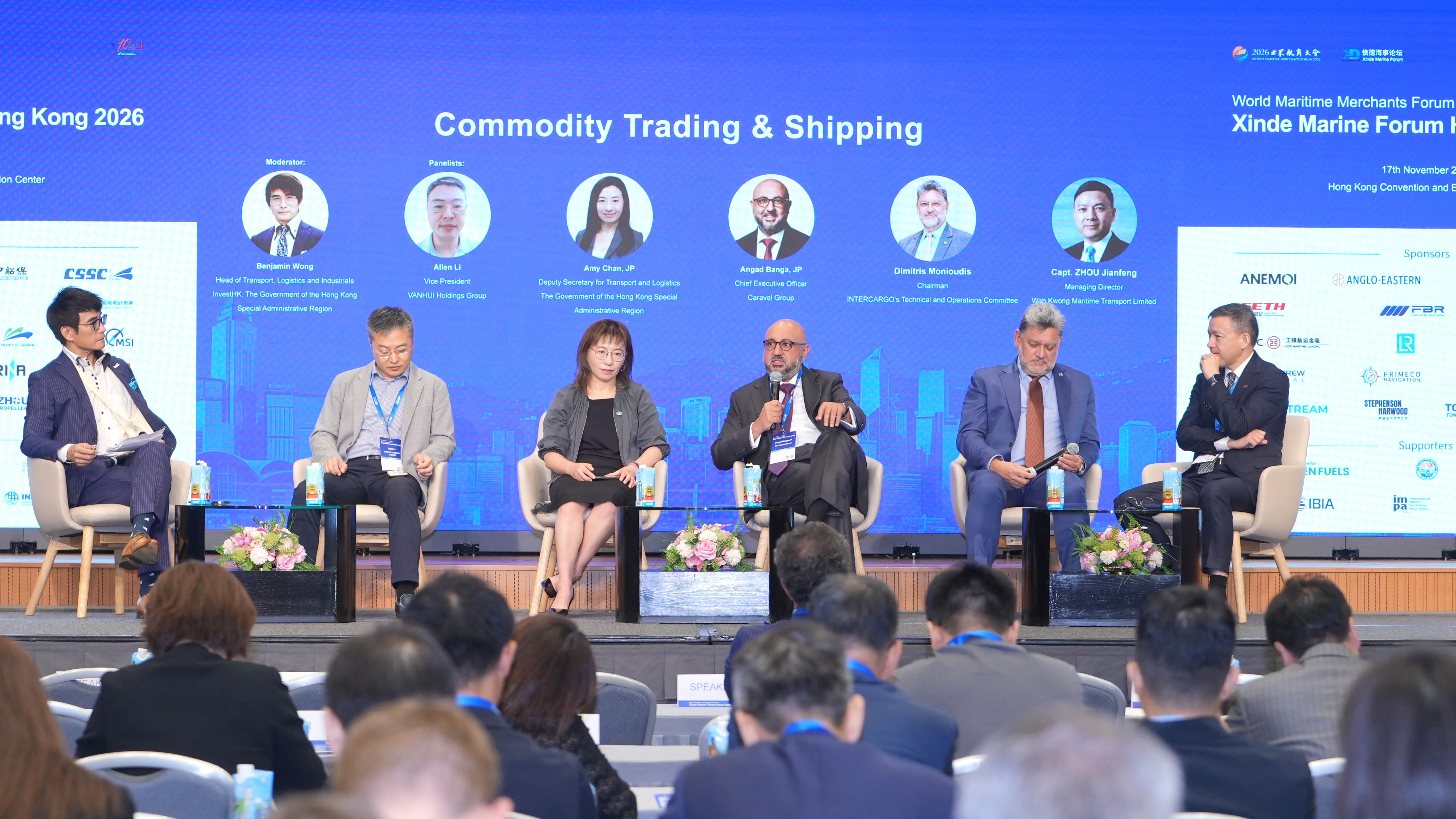
The discussion broadened at the Capital Link and Xinde forums, where attention turned to Hong Kong's future as a maritime centre.
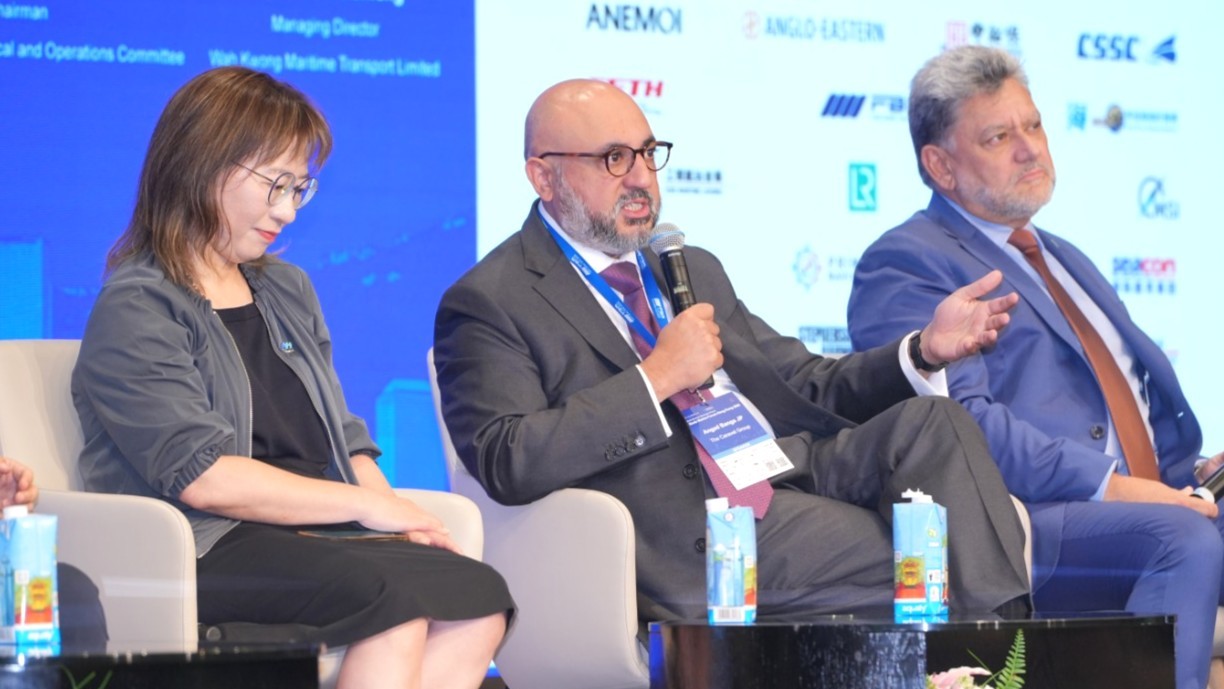
Rather than focusing on shipping in isolation, Angad highlighted the importance of connecting cargo owners, financiers, charterers, shipowners and operators more closely together.
Angad said:
“Where commodities flow, ships follow. Where trading houses establish operations, shipowners find cargo. Where risk is managed, finance becomes available.”
His argument was that resilience improves when decision-makers sit closer together.
When cargo interests, capital providers, insurers, shipowners and operators operate within the same ecosystem, problems can be solved faster, investments can be deployed more efficiently and businesses can respond more quickly to disruption.
That strengthens outcomes not only for shipowners and managers, but also for the customers who depend on reliable global supply chains.
Investing in the Future Before It Arrives
The week's final conversations, including the TradeWinds Shipowners Forum, centred on returns, profitability and long-term competitiveness. Yet they arrived at a familiar conclusion.
Shipping's future will not be determined by who best predicts the next cycle. It will be shaped by those who continue investing through uncertainty.
At the forum, Angad pointed to the pressure that strong markets create. With dry bulk markets robust and vessel values elevated, the fear of missing out can push owners to buy at the wrong time, which is why strong balance sheets and cash reserves matter.
Angad Banga, JP, told the forum:
“I think the market today feels that it’s just full of FOMO, right? Fear of missing out.”
The maritime industry must be investing in maintenance before something fails. Training people before capability becomes scarce. And making long-term decisions even when the future remains unclear.
That thinking also sits at the heart of Capital Meets Cargo, the paper published by The Caravel Group during Hong Kong Maritime Week. The paper argues that Asia's next phase of maritime growth will be shaped by cargo, capital and capability, and that capability ultimately starts with people.
For Fleet, that conclusion is that resilient shipping does not begin when a crisis starts. It begins years earlier, through investments in people, systems and partnerships that enable ships to keep trading safely and reliably when conditions become uncertain.