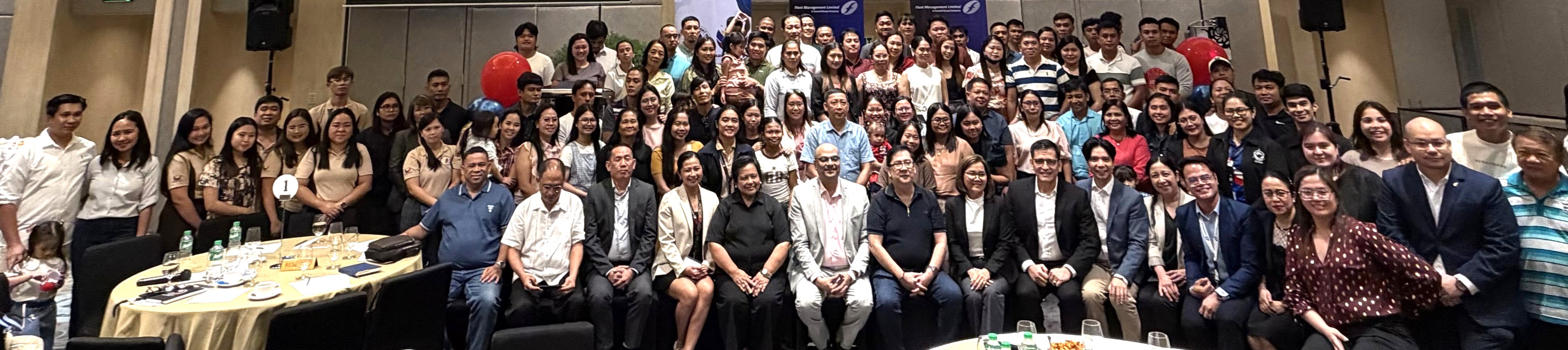
Fleet Management is strengthening and expanding its relationships with Japanese shipowners, expanding its services at a time of increasingly stringent regulation and rising geopolitical risks.
Fleet is expanding its relationships and business with Japanese shipowners, building on a partnership that began in 1994. Significant growth is expected in 2027, mostly from newbuilding deliveries for existing clients.
Managing Japanese-flagged vessels, which will begin in the first quarter of 2027, is one of the initiatives supporting this wider strategy.
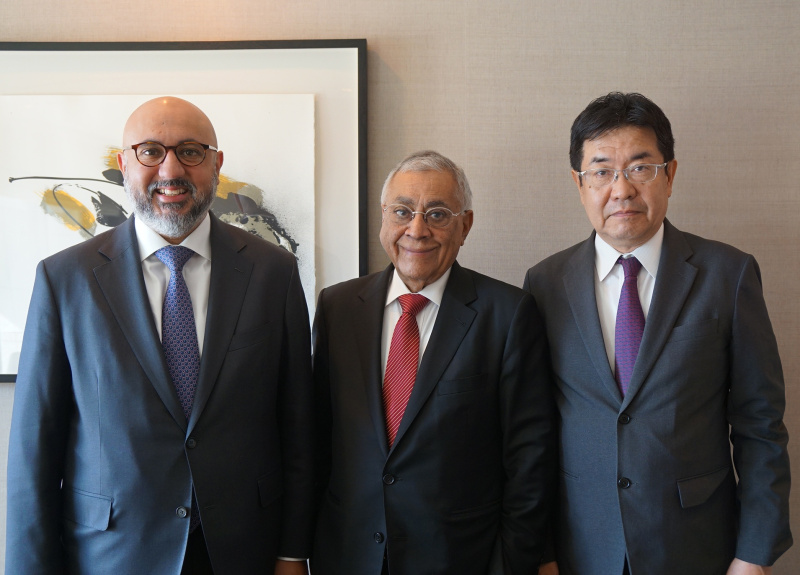
The plans were shared by Dr. Harry S. Banga, Founder and Executive Chairman of The Caravel Group, and Angad Banga, Chief Executive Officer of The Caravel Group and Executive Director of Fleet Management Limited, in interviews with Kaiji Press and Japan Maritime Daily during a recent visit to Japan.
A Relationship Built Since 1994
Relationships with Japanese shipowners date back to the company's founding in 1994. Today, vessels managed for Japanese shipowners account for approximately one third of its fleet of more than 600 vessels.
The number of vessels managed for Japanese shipowners is expected to increase significantly next year. Additional vessels are scheduled to join the fleets of major clients, and Letters of Intent have already been signed.
Dr. Banga, speaking to Kaiji Press, said:
"In the early days, our clients were mainly smaller shipowners, but over time, our relationships expanded to include major shipowners, operators, and trading houses."
Angad Banga said:
"Japan has been, is, and will continue to be an extremely important market for us."
He added:
"We already anticipate significant growth next year. Most of this will come from deliveries of newbuildings for our existing clients."
New Ways to Support Japanese Shipowners
Fleet has started providing crew management as a standalone service to Japanese clients. Until now, it has primarily offered full ship management, covering both technical and crew management. This is the first time crew management has been offered independently.
Management of Japanese-flagged vessels will also commence in the first quarter of 2027.
There are also increasing opportunities to provide individual services, such as digital transformation and marine procurement.
Newbuilding supervision is currently under way for more than 190 vessels being constructed at shipyards in China, South Korea and Japan, and it can also be arranged for Japanese shipowners building vessels at Chinese shipyards.
Shipowners also receive advice on fuel selection for newbuildings, energy-efficiency retrofits for existing vessels, capital investment decisions, and compliance with regulations including the EU Emissions Trading System (EU ETS) and FuelEU Maritime. Fleet currently manages more than 30 dual-fuel vessels and is systematically training seafarers to meet growing demand for vessels operating on alternative fuels.
Angad Banga said:
"Shipowners cannot control regulations or geopolitical developments, but they can determine how prepared they are for change."
Growth With Quality
The aim is growth without compromising the quality of service.
Angad Banga said:
"We are not simply pursuing numbers. Our objective is sustainable and safe growth while maintaining the quality of our services."
That focus shows in the highest five-star RightShip rating and in the 75% of Port State Control inspections that result in zero deficiencies. By ensuring safety and regulatory compliance, the company supports the continuous operation of vessels and helps shipowners maintain their earnings.
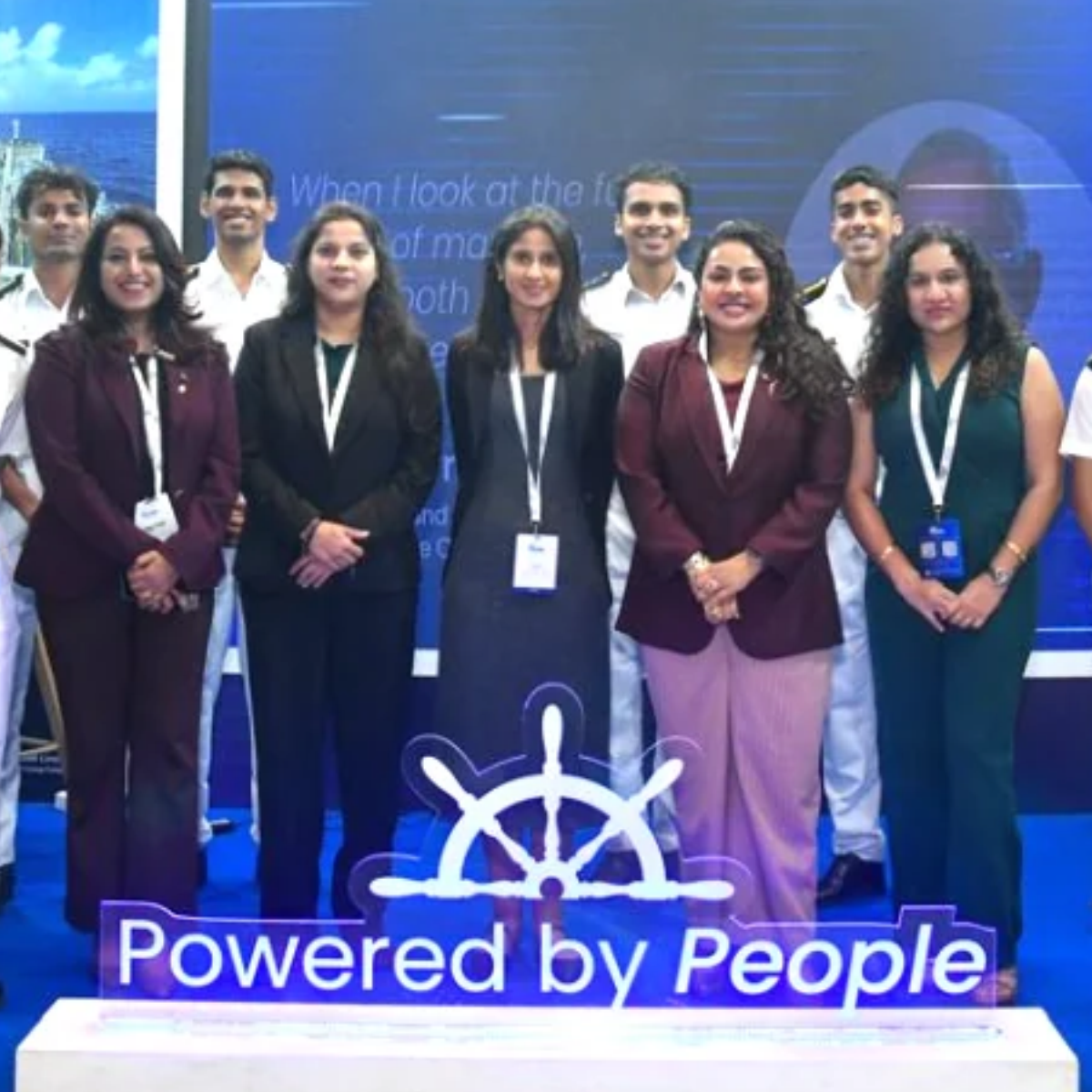
Fleet was founded by seafarers, for seafarers. More than 70% of its directors and all of its ship management superintendents have seagoing experience, and its retention rate for officers and ratings exceeds 95%. More than 27,000 seafarers currently serve aboard its managed vessels.
Its scale allows substantial investment in new technologies and seafarer training.
Partners, Not Only Providers
Angad Banga emphasised the evolving role of ship management companies, from service providers to strategic partners supporting shipowners' business decisions. Fleet aims to become a partner to its clients rather than simply a provider of ship management services.
Dr. Banga noted that it is becoming increasingly difficult for smaller Japanese shipowners to manage complex regulatory requirements and seafarer training entirely on their own. He emphasised the growing importance of support from professional ship management companies.
Angad Banga said:
"Shipowners have access to information on fuels, regulations, and technology, but they need trusted partners who can help them understand the implications for operations, investments, and cash flow."
A Long-Term Commitment
Fleet is part of The Caravel Group, a family-owned enterprise. Dr. Banga highlighted the advantage of family capital, which allows the Group to pursue long-term strategies without pressure from external investors to deliver short-term returns.
Angad Banga said:
"We focus on building businesses over the long term rather than pursuing short-term profits."
The promise made in 1994 still guides the business: to care for every shipowner's asset as if it were its own.
Strengthening and expanding relationships with Japanese shipowners remains central to the company's strategy. As part of The Caravel Group, Fleet invests for decades rather than quarters and looks forward to supporting Japanese shipowners as they navigate the next chapter of change and growth.
Credit: This article draws on interviews published in Kaiji Press and Japan Maritime Daily on 18 November 2026.
Kaiji Press: https://www.kaijipress.com/news/shipping/2026/11/205708/
Japan Maritime Daily: https://www.jmd.co.jp/article.php?no=320330